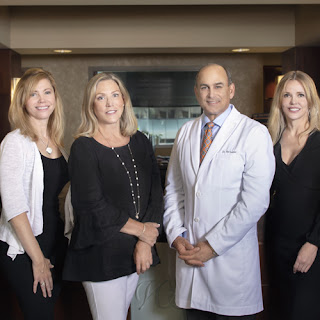
Seattle Trusts These Surgeons

Why Seattle Patients Trust Dr William Portuese and Dr Joseph Shvidler

With over two decades of experience dedicated solely to facial plastic surgery, Dr. William Portuese and Dr Joseph Shvidler are recognized as some of Seattle’s top facelift surgeons. Known for achieving natural-looking, youthful results, they specialize in advanced techniques such as the deep plane facelift and SMAS facelift.

What Sets These Surgeons Apart?

  • Dual board certifications in Facial Plastic & Reconstructive Surgery and Otolaryngology – Head & Neck Surgery
  • State-accredited private surgical facility in downtown Seattle
  • Expertise in both facelift and neck lift surgery
  • Anesthesia by board-certified MD anesthesiologists
  • High patient satisfaction and top-rated reviews

Whether you’re searching for a “facelift near me”, a “mini facelift surgeon in Bellevue”,
or a “lower facelift expert in Seattle”, our clinic delivers experienced, precise surgical care.

Serving Seattle, Bellevue, Kirkland, and Beyond

The Seattle Facelift Center welcomes patients from across King County and beyond, including:

  • Bellevue – near Overlake Medical Center
  • Kirkland – facial plastic surgery services
  • Portland, OR – patients who travel for top facelift results

We offer virtual consultations and full support for out-of-town travel and post-operative recovery.

What to Expect: Realistic Facelift Outcomes

What a Facelift Can Do:

  • Lift sagging cheeks and jowls
  • Tighten loose neck skin and remove fat
  • Create a rejuvenated, rested appearance

What a Facelift Will Not Do:

  • Change your identity or bone structure
  • Eliminate all wrinkles (especially around the eyes or mouth)
  • Stop the aging process (but it can turn back the clock 10–15 years)

Patients frequently say they look refreshed, healthier, and even slimmer—not like they “had work done.”

Schedule Your Private Facelift Consultation in Seattle

If you’re considering a mini facelift, deep plane facelift, or want to learn more about
facelift costs in Seattle, Dr. Portuese and Dr. Joseph Shvidler offer expert-level care with personalized results.

We help patients searching for:

  • Mini facelift Seattle, WA
  • Deep plane facelift Bellevue
  • SMAS facelift surgeon Seattle
  • Best plastic surgeon for facelift near me
  • Facelift surgery cost in Seattle or Bellevue

Call us today at (206) 624-6200 or use our
online form to schedule your consultation.

What is a necklift?

A neck lift, formally known as platysmaplasty or cervicoplasty, is a cosmetic surgical procedure designed to enhance the appearance of the neck. Its primary goal is to remove excess skin and fat and tighten underlying muscles to achieve a more youthful contour

Here’s a breakdown of what a neck lift addresses, the procedure, its types, and recovery:

What a Neck Lift Addresses

A neck lift can effectively address several common aesthetic concerns in the neck area:
• Sagging skin: It removes excess skin to create a smoother, more youthful neck contour

• Fat deposits: The procedure may involve liposuction to remove excess fat located under the chin and in the neck

• Bands and wrinkles: It works by tightening the platysma muscle, which helps to reduce the appearance of vertical bands and wrinkles in the neck

• Jowls: By tightening the underlying tissues, a neck lift can improve the appearance of jowls
. This procedure is often sought to correct concerns commonly referred to as “turkey neck”

Neck Lift Seattle WA

The Procedure The neck lift procedure typically involves:
• Incisions: Incisions are usually made around the ears and potentially also under the chin

• Tissue manipulation: Excess skin is removed, and the platysma muscle is tightened. This action helps to redefine the jawline and improve the neck angle

• Fat removal: Liposuction may be incorporated to remove any excess fat present

Types of Neck Lifts

There are generally two main types of neck lifts:

• Traditional Neck Lift: This type involves incisions that extend from the sideburns, continue around the ears, and go into the posterior hairline
• Limited Incision Neck Lift: This option utilizes shorter incisions, often only around the ears, and is typically reserved for less extensive procedures

Recovery Understanding the recovery process is important:

• Bruising and swelling: Patients should expect both swelling and bruising, which are considered normal parts of the recovery and should subside within a few weeks

• Return to activity: Most individuals can return to work within one to two weeks following the procedure. However, it is crucial to avoid strenuous activity for several weeks

• Final results: The final results of a neck lift become visible as the swelling and bruising diminish

Consultation is Key

It is critically important to consult with a qualified plastic surgeon
This consultation will help determine if a neck lift is the most suitable option for you and provide an opportunity to discuss your specific goals and concerns in detail

Facial Plastic Surgery Questions and Answers: Part 10

Question: Facelift after tightening procedures?
Answer: The previous non-invasive treatments that you have will have no effect moving forward performing a lower face and neck lift procedure. Study your prospective surgeon’s before and after facelift photo gallery to make sure that the results look very natural.

Question: Facelift did not fix/ tighten my jowls – I look exactly the same after facelift. What can I do to fix this? 
Answer: A full set of facial and neck photographs from all angles are required to make a determination about how best to proceed. You’re gonna need to wait at least one year after the primary facelift before embarking on another procedure to allow full healing first. Your incisions are still very fresh, and you have significant edema behind your ears. your next surgeon they want to see a copy of the operative report as well.

Question: Should I wait for fillers and Botox to dissolve before having a facelift and a neck lift?
Answer: Botox and fillers will have no effect on a lower face and neck lift procedure, So it is very acceptable to undergo a surgical treatment you are interested in performing.

Question: 46 contemplating a neck lift, any suggestions?
Answer: The limited photographs demonstrate platysmal bands in the neck, with loose and inelastic skin in the neck. A neck lift procedure can accomplish tightening the neck bands, and removal of fat deposits in the neck with liposuction. A lower face and neck lift is required if the skin tone is very loose and there is lots of excess skin in the neck itself.

Question: Looking at lower face and sunspots – Best procedure for me?
Answer: To rejuvenate the lower face, consider a lower face and neck lift. In our practice, this procedure accomplishes tightening loose facial and neck skin, tightening loose facial and neck muscles, lifting the jowls, and removing fat deposits in the neck which also includes a platysma- plasty to significantly improve the jawline. We no longer perform Chemical peels since there are much better alternatives today. The wrinkles on your upper and lower lips can be treated with dermabrasion or laser resurfacing. The sunspots are treated by dermatologists in the office setting.

Question: Is it safe to combine a facelift and brow lift with liposuction? 43 year old healthy male who is fit physically.
Answer: In our practice, a male facelift and brow lift would take approximately 5 hours of surgery/ anesthesia time. Adding body liposuction would add additional hours depending upon what you’re try to accomplish. It’s probably best to separate your facial work from the body work and have them done separately, since this is done as an outpatient surgical procedure, not inpatient at a hospital. Please post full set of facial photograph to make a determination about being a candidate for both the facelift and brow lift procedures.

Question: Why don’t doctors recommend a cheek or mid face lift? 
Answer: It’s because the Face does not descend vertically with the aging process, like the lateral face does. The mid face shrinks with volume loss, therefore we place cheek implants in the cheeks to restore that lost volume. There are many different complications can occur with a midface lift, that’s why we never recommend them.

Question: Recessive chin and fat cheeks – SMAS face/necklift and/or genioplasty? 
Answer: Even though you’ve had a chin implant, you still have a recessive chin, so consider placement of a larger chin implant. You also have significant fat deposits in your neck, located both above and below the platysma muscle. You will also require a neck lift procedure to remove both fat compartments in the neck, in addition to a platysma – plasty. At age 35, your skin tone should be acceptable, and skin removal should not be required. You should also have a BMI of less than 32 before undergoing any of these facial and neck procedures.

Question: I was told a mini facelift combined with Profound would give me good results? 
Answer: From the photographs presented, a lower face and neck lift is going to be required to tighten loose facial and neck skin, tighten loose facial and neck muscles, lift the jowls, and remove any fatty deposits of neck with liposuction. Minimally invasive devices will not accomplish any of these goals.

Question: Should I consider neck lift after no result from Facetite and Morpheus8 (late 20s)? 
Answer: The Photographs demonstrate a process of the chin profile, and fat deposits located both above and below the platysma muscle in the neck itself. Noninvasive procedures simply will not help with these issues. Consider placement of a chin implant to augment the chin forward. A neck lift procedure involves removal of fat above the muscle with liposuction, and surgical extraction of the fat below the muscle along with a platysma-plasty. Also best make sure that your BMI is less than 30 before undergoing this procedure.

Facial Plastic Surgery Questions and Answers: Part 09

Question: What kind of facelift is best for a proactive 35yr old wanting to prevent nasolabial wrinkles? 
Answer: Based upon your photographs, you do not need any type of facelift procedure. You do have a mild recessive chin, so consider placement of a chin implant under local anesthesia as an outpatient procedure, which takes about 30 minutes. That would give you more facial balance and proportions.

Question: Follow-up: Neck wrinkles and crepey neck skin 2 months after neck lift and facelift. Do I need a revision?
Answer: The photographs demonstrate loose and inelastic skin in the neck, along with residual fat deposits in the neck as well. Best to wait at least one year, and then perform another lower face and neck lift procedure to address all of these issues.

Question: Had fat injected in hollow under my chin after face/neck lift in 2018. What can be done to correct it? 
Answer: Much more information is needed, such as a full set of facial photographs from all angles, and whether or not you have gained any weight after the fat injections. A neck lift procedure can address removal of the fat and sculpt a new jawline.

Question: What procedures to fix my saggy profile and undefined jawline? 
Answer: Much more information is needed such as you age and the status of the skin tone in your neck. The side profile photograph demonstrates a recessive chin profile for which a chin implant can improve. The fat deposits in the neck be removed with liposuction and the jawline can be significantly improved a platysma-plasty. Depending upon your skin tone, this may be able to be accomplished with a neck lift, or a lower face and neck lift.

Question: Wondering what would you do to bring the most balance to my face? 
Answer: The photographs demonstrate an overly projecting nose, and an under projecting chin. Consider placement of a small chin implant to augment the chin forward for better facial balance and proportions, especially with respect to the over projection of the nose from the side profile. Rhinoplasty is the most difficult operation to perform correctly in the entire field at cosmetic surgery, so it is imperative that you and your surgeon are both on the same page regarding the specific changes regarding her nose. Digital computer imaging of both procedures would be helpful to understand what can be accomplished. A closed rhinoplasty approach can accomplish making specific changes to your nose such as shaving down the dorsal hump, decreasing the overall protection of the nose, and reduction of the bulbous nasal tip.

Question: How long for heavy face wear after rhinoplasty?
Answer: After a septoplasty and rhinoplasty, you should not do any physical exercise for at least two weeks to prevent a nosebleed. Once you go back to work, you can use the cast that was placed on the bridge of your nose to rest your safety goggles on. Bending over should not be a problem.

Question: Skin-only facelift in early 30’s?
Answer: Much more information is needed to make sure you’re a candidate for a facelift procedure. Please Post a full set of facial and neck photographs from all angles in a chin neutral position to make a better determination. If you only want hey skin only facelift, you’re basically performing a pre-1973 style face lift. It’ s very important tighten the fascia layers and muscle layers underneath The skin, so that there’s no tension on the skin itself which results in a very minimally detectable incision.

Question: Am I suitable for a mini face lift?
Answer: In our practice, we rarely perform a mini lift because they tend to give mini results and are not very effective. A full set of facial photographs from all angles are required to make a determination about how best to proceed. We also perform a high-SMAS lower face and neck lift which accomplishes lifting the jowls, tightening loose facial and neck skin, tightening the loose facial and neck muscles, lifting the jowls, and removing any fatty deposits in the neck when present.

Question: Neck wrinkles and creping neck skin 2 months after neck lift and facelift. Do I need a revision? Would thermage work? 
Answer: Much more information is needed, such as a full set of facial photographs from all angles, and a copy of the operative report to know what type of procedure you had done in the past.

Question: Will a nose job drastically change my face? 
Answer: The side profile photograph demonstrates an overly projecting nose with a droopy tip. A closed rhinoplasty approach can accomplished decreasing the overall projection of the nose, shaving down the dorsal hump, and lifting the nasal tip slightly. It is very important to give a very natural appearing nose so that it does not look like it has been a rhinoplasty has been performed. The changes from the front will be very minimal, however the side profile changes will be moderate. Best to perform digital computer imaging from different angles to understand what can and cannot be accomplished with your nose.

Facial Plastic Surgery Questions and Answers: Part 08

Question: Chin lipo & FaceTite or neck lift? 
Answer: Much more information is needed such as your age, and a full set of facial photographs to make a determination about how best to proceed. In our practice, a necklift removes fat deposits above and below the platysma muscle in addition to a platysmal plasty. When there’s loose and inelastic skin in the neck which is probably the issue in these limited photographs, then a lower face and neck lift is going to be required to tighten loose and inelastic facial and neck skin.

Question: I am considering a neck lift. Should I remove the large gland in my neck?
Answer: Much more information is needed, such as your age and a full set of facial photographs from all angles to make a determination about which procedure is best for you. If you’re over age 50 and your skin tone is in elastic in the neck, you’re going to need a lower face and neck lift. It is important to understand that there are two compartments of fat in the neck, and they’re located both above and below the platysma muscle. Liposuction can only accomplish removal of the fat compartment above the muscle, while a surgical neck lift is required to remove the fat deposits below the muscle, which also includes a platysma plasty to significantly improve the jawline. If you are referring to the submandibular glands, a partial excision can be performed, when only but only when necessary for contouring.

Question: Why do opinions vary from doctor to doctor regarding the best treatment for loose neck skin and jowls? 
Answer: In our practice, a lower face and neck lift accomplishes tightening loose facial and neck skin, tightening loose facial and neck muscles, removing fat deposits in the neck located above and below the muscle lifting the jowls and performing a platysma-plasty. This is the procedure that you need based upon the photographs presented which demonstrate loose skin, neck cords, and residual fat deposits in the neck and addition to jowls.

Question: What would the surgical plan of action be to achieve a nose shorter in length and closer to face? 
Answer: A closed rhinoplasty approach approach can accomplish shortening the nose, decreasing the overall projection, and reducing the hanging columella with all the incisions placed on the inside of the nose. This is a major rhinoplasty. Only a very small amount of change will occur from the frontal view.

Question: Would a mini facelift help define my jaw better? 
Answer: A mini facelift does not address your neck. You need a neck lift procedure, which includes removal of the fat deposits located both above and below your platysma muscle, in addition to a platysma plasty to significantly improve the jawline. At age 32, your skin tone is fine, and no skin removal is necessary. You also have a recessive chin profile, so give some consideration to placement of a small chin implant to augment your chin forward, which will also help improve your jawline and be complementary to the neck lift procedure.

Question: Ok to lipo jowls as part of chin/jawline lipo?
Answer: In our practice, we never liposuction the jowls because you’ll get irregularities which will be quite visible in that location. If you have jowls, you’re a candidate for some sort of facelift procedure.

Question: Male, 5’8, 34 I don’t find my nose right for my face. What do you suggest? 
Answer: A closed rhinoplasty approach can accomplish shaving down the dorsal hump, refinement of the nasal tip, and straightening the nose with all the incisions placed on the inside of it. No external incisions are required, and no painful packing is required either. Digital computer imaging of your nose upon your facial features would also be helpful to understand what can be accomplished with the procedure.

Question: Which first: Facelift, or lip lift and nasolabial angle reduction? 
Answer: In our practice, we do not perform a lip lift procedure due to multiple complications we’ve seen from other practices. Start with a facelift first which can rejuvenate your face and neck. The goal of a lower face and neck lift is to tighten loose facial and neck skin, tighten loose facial and neck muscles, lift the.

Question: Do you have any advice please as I am going to get a facelift and under eye fat removal?
Answer: It’s very important to look at your prospective surgeon’s before and after facelift and eyelid photo Gallery to ensure that you’re going to get a great result. Big hospital systems tend to concentrate on reconstructive plastic surgery, so it’s important to find out how much elective cosmetic facelift and eyelid surgery that your surgeon is performing on a routine basis. It’s best to make appointments with three busy facelift surgeons and then make your decision.

Question: Mini facelift with a chronic illness? 
Answer: You are not a candidate for a facelift at this time based on the photographs, you presented, and you’re only 35 years old. More importantly, is to see if you’re even a candidate for elective cosmetic surgery with your chronic illness. That will need to be addressed by the surgeon and the anesthesiologist prior to any type of surgery you’re going to have.

Facial Plastic Surgery Questions and Answers: Part 07

Question: I’m 44 years old and have sagging in my lower face and neck. Should I do a lower facelift or a deep plane facelift? 
Answer: From the limited photographs, it appears that you do not have loose skin, and you’re only 44 years of age. Consider a neck lift procedure to remove the fat deposits above your platysma muscle with liposuction, and surgical extraction of the fact about is below the muscle which also includes a platysma plasty to significantly improve your jawline. Skin removal is probably not required at your age.

Question: What sort of eye procedures would I benefit from? 
Answer: The picture that you’ve sent is rather blurry,so makes it very difficult to make a determination about how best to proceed. It appears that your upper eyelid skin is rather hooded and resting on your eyelashes, therefore consider an upper blepharoplasty procedure which can be performed under local anesthesia as an outpatient procedure.

Question: Mini facelift: what does it include and cost?
Answer: A mini facelift lift tends to give mini results, and we rarely ever perform them. A mini lift does not include any work in the neck. In our practice, the goal of a lower face and neck lift is to tighten loose facial and neck skin, tighten loose facial and neck muscles, lift the jowls, and remove fat deposits in the neck, which also includes a platysma plasty. Regarding your eyelids, upper blepharoplasty and lower blepharoplasty are two different procedures. All of these can be combined when necessary. A full set of photographs would be required to make a determination about being a candidate for these three procedures.

Question: Surgeon’s age – what is your opinion on an older plastic surgeon?
Answer: More important than looking at the age of the surgeon, is to look at their most recent before and after facelift results. Study your perspective surgeon’s before and after facelift photo gallery, and make sure that it is up-to-date and current with great results that you like that look very natural.

Question: What procedures are best to reduce a wide face, big cheeks, and a big nose?
Answer: Consider a closed rhinoplasty procedure to reduce the large nose. The dorsal hump can be shaved down, the tip refined in the bridge line narrowed with all the incisions placed on the inside of the nose. No external incisions are required, and no painful packing is required either. Digital computer imaging of your nose upon your facial features would be helpful to understand what can be accomplished with the procedure. Best to leave the rest of your face alone.

Question: Will a mini neck lift be sufficient for me (56 year old female)? 
Answer: No, a lower face and neck lift procedure is going to be required to tighten loose facial and neck muscles, tighten the significant loose facial and neck skin, lift the jowls, and remove the fat deposits in the neck located above and below the platysma muscle in the neck itself. A platysma plasty is also performed.

Question: I am hearing that a lot of facelifts don’t last past 5 years. Is this true? 
Answer: In our practice, that’s not true. We perform a high SMAS, comprehensive lower face and neck lift procedure, which accomplishes tightening loose facial and neck skin, tightening loose facial and neck muscles, lifting the jowls, and removing fat deposits above and below the platysma muscle in the neck, in addition to a platysma plasty to significantly improve the jawline. We typically revise our own facelift patients between 10 and 20 years after their initial Face and neck lift. You may be referring to as to what a mini lift can accomplish, which gives only mini results. Study your prospective surgeon’s before and after facelift photo gallery.

Question: Would a mini facelift help correct lines, laxity and wrinkles? 
Answer: Much more information is needed, such as your age and a full set of facial and neck photographs at repose, not when smiling. Mini lifts will give mini results and are usually not worth it.

Question: Deep plane facelift incision what is the best option?
Answer: An intra oral incision for a facelift is not necessary. Facelift incisions are typically placed both in front and behind the ears. There are many different types of facelift procedures, so it’s difficult for the consumer to understand the minute variabilities. Study your perspective surgeon’s before and after facelift photo gallery to make sure that it is extensive with results that you like, and the results look natural.

Question: 56 year-old lady. What are my best options to look more youthful? 
Answer: In our practice, a lower face and neck lift with accomplish tightening loose facial and neck skin, tightening loose, facial and neck muscles, lifting the jowls, and removing the significant compartments of fat located both above and below your platysma muscle. This also includes a platysma plasty to significantly improve the jawline.

Facial Plastic Surgery Questions and Answers: Part 06

Question: Is it important to have a Board Certified Plastic Surgeon?
Answer: Yes, indeed, it is important to make sure that your surgeon is board-certified in plastic surgery, or facial plastic surgery. It’s also very important to study your prospective surgeon’s before and after facelift photo gallery to make sure that it is extensive with lots of natural results.

Question: 5’9, 185lbs, what type of procedure would you suggest I need for more definition between neck & face? 
Answer: The noninvasive treatments you were recommended are not going to be of any benefit for you. It is very important to understand that there are two compartments of fat in the neck, and they are located both above and below the platysma muscle in your neck. From these photographs presented, it appears that most of your fat is located below your platysma muscle, which is going to require a neck lift procedure to surgically extract the fat below the muscle, and also includes a platysma plasty to significantly improve your jawline. Liposuction is also performed, however, liposuction can only remove the fat deposits above the Muscle. You when patients have a recessive chin profile, we also recommend a chin implant when necessary which helps improve the jawline.

Question: Should I do a mini face and neck lift or something else? 
Answer: A mini facelift is not going to address the issues in your neck. To address the issues in your neck is going to require a neck lift procedure. You’re also appear to have Jowls, therefore, a face and neck lift is going to probably be required. Mini facelift give mini results.

Question: Is additional Lipo & microneedling needed for Facetite? 
Answer: First of all, non-invasive treatments are going to be a waste of time for you. You have significant fat deposits located both above and below your platysma muscle in the neck. Liposuction alone can only remove the fat deposits above the muscle. A surgical neck lift is going to be required to remove the fat above the muscle, with liposuction and surgical removal of the fat deposits below the muscle, which also includes a platysma plasty to significantly improve the jawline. Non-invasive treatments cannot do anything for these issues. At age 34, you do not have a skin tone issue.

Question: What type of facial surgery would I benefit most from?
Answer: Consider performing just an upper blepharoplasty to remove the hooded and excess skin on your upper lids. This procedure can be done under local anesthesia as an outpatient procedure, which takes about 30 minutes. You are really not ready for a facelift yet at such a young age.

Question: Best way to slim my face and double chin? 
Answer: The side profile photograph demonstrates a recessive chin profile and only minimal fat deposits in the neck. Consider placement of a chin implant to augment the chin forward for better facial balance and proportions. Liposuction of the minimal fat deposits in the neck will probably be unnecessary.

Question: Time for a mini lift? 45 and not liking my mid/lower face. Want lower/mid face lifted and the jowls and saggy under skin gone.
Answer: The photograph is rather limited, so a full set of facial photographs would be more helpful. A lower face and neck lift is going to be required to tighten loose and inelastic skin in the neck and lift the jowls.

Question: Mid facelift, brow lift, what would be the best approach to avoid any problems? 
Answer: We do not perform a mid facelift due to the fact that the mid-face looses volume, and does not descend vertically with aging process. For mid face rejuvenation, we place small cheek implants in the midface to augment the lost volume. The implants are placed thru an intra-oral approach under a brief general anesthesia. The height of your eyebrows is more than acceptable, and a brow lift be unnecessary. Also important to see a full set of facial and neck photographs to see if you are a candidate for a lower face and neck lift.

Question: BBL or facelift surgery first? How far apart?
Answer: It does not really matter which procedure comes first, but you should separate two general anesthetics for cosmetic surgery at least one month apart to give yourself time to recover from either procedure.

Question: Would a mini face and neck lift address my issue? 
Answer: A mini facelift will not address your issue, since mini facelifts give mini results. Consider placement of a chin implant to augment your recessive mandible forward for better facial balance and proportions. Since you have both jowls and fat deposits located in your neck below the platysma muscle, you’re going to require a lower face and neck lift procedure.

Facial Plastic Surgery Questions and Answers: Part 05

Question: What kind of chin implant for my face? 
Answer: In our practice for over 25 years we have used Implantech brand of solid silicone chin implants with an excellent success rate. We also use the Mittleman pre-jowl chin implant usually size small or medium. When their significant recession demonstrated in the photographs, size medium would probably be the appropriate size.

Question: What is the likely cause of my eyelid asymmetry and how can it be balanced? 
Answer: Everyone has some degree of eyelid asymmetry due to the embryologic development of the face from both the left and right half. A conservative skin only upper blepharoplasty can accomplish improvement of the asymmetry. This can be performed under local anesthesia as an outpatient procedure.

Question: Jowls, jawline, skin pigmentation, enlarged pores what do you suggest?
Answer: Much more information such as a full set of facial/neck photographs from all angles with your hair pulled back to make a determination about being a candidate for a lower face and neck lift procedure. The goal of a facelift lift the jowls, tighten loose facial and neck skin, tighten loose facial and neck muscles, lift the jowls, and remove any fatty deposits in the neck to improve the jawline. Skin pigmentation is usually treated with laser treatments.

Question: When is a standalone neck lift appropriate?
Answer: In our practice, a standalone neck lift is performed on patients less than 50 years of age who do not have a skin tone issue. We’re simply removing fat deposits located both above and below the platysma muscle which also includes a platysma plasty. Most patients over 50 years of age are going to have some degree of inelasticity of the skin, which is going to require a lower face and neck lift to tighten loose facial and neck skin.

Question: Will a facelift help minimize the appearance of wrinkles on the cheeks? 
Answer: To properly evaluate your face, a full set of facial photograph from all angles are required. A surgical face and neck lift accomplishes tightening loose facial and neck skin, tightening loose facial and neck muscles, lifting in the jowls, and removing any fat deposits in the neck which also includes a platysma plasty to significantly improve the jawline. A surgical facelift improves all these issues at repose, but dynamically, your contracting your smile muscles and will still have some degree of wrinkles present even after a facelift procedure.

Question: Any recommendations to improve my jowls?
Answer: Your side profile photographs demonstrate jowls, inelastic skin in the neck, and fat deposits in the neck as well. A lower face and neck lift procedure can accomplish tightening loose facial and neck skin, tightening loose facial and neck muscles, lifting the jowls, and removing the fat compartments in the neck in addition to a platysma plasty, which will significantly improve your jawline. Consider placement of a small chin implant to augment your chin forward, which will also help with the prominent pre-jowl sulcus that you have just in front of your jowls.

Question: Do I need a neck lift?
Answer: You’re going to require a lower face and neck lift to tighten loose facial and neck skin, tighten loose facial and neck muscles, lift the jowls, and remove the residual fat compartments in the neck, along with a platysma plasty to significantly improve the jawline. In our practice, a neck lift alone does not remove excess skin, which is your biggest problem. The crepey neck skin is due to the deflation of your neck tissues from the significant weight loss.

Question: Would Chin liposuction be enough, or do I also need a neck lift?
Answer: The photograph to demonstrate significant fat deposits located above and below the platysma muscle in the neck. A neck lift procedure can accomplish removal of fat deposits located above and below the platysma muscle which also includes a platysma plasty. When there is loose and inelastic skin the neck, Then the lower face and neck lift is going to be required.

Question: Does jowl fat support the mid-cheek?
Answer: During a facelift procedure the Jowls a re-suspended in the mid face/ cheek area. If you’re trying to augment the midface by adding volume, then consider ceek implants.

Question: Lower facelift with chin implant or genioplasty? 
Answer: Much more information is as needed such as a full set of facial photographs, your age, your height and weight to make a determination about how best to proceed. The goal of a chin implant is to augment the chin forward. The goal of a facelift is to tighten loose facial and neck skin, tighten loose facial and neck muscles, lift the jowls, and remove fat deposits in the neck located above and below the platysma muscle itself.

Facial Plastic Surgery Questions and Answers: Part 04

Question: Am I a candidate for a mini lower facelift? 28 Year old Female 
Answer: A full set of facial and neck photographs from all angles are going to be required to make a determination about how best to proceed. At 28 years of age, your skin tone in your neck should be just fine and a face/necklift should not be necessary . This procedure is usually performed on patients in their 50s, 60s and 70s.

Question: Would a mini facelift work for my sagging jowls? 
Answer: If you’re referring to the loose skin on the outer corners of your mouth, then a mini facelift would probably be able to tighten that skin and the fascia layer underneath it for more of a permanent result. A full set of face and neck photographs from all angles are going to be required to make a determination about being a candidate for surgery.

Question: Would I be a good candidate for a lower facelift? 30 y/o female hoping to target heavy lower face 
Answer: No, you’re not a candidate for a facelift at age 30, since your skin tone is not an issue at that age. You have fat deposits in the neck and a recessive chin profile. Consider a neck lift with a platysma plasty and placement of a small, chin implant to Augment your recessive chin forward. Both procedures are complementary to each other to improve your neck.

Question: Sagging skin under my chin – What are my options? 
Answer: Congratulations on your significant weight loss. Due to the deflation of your neck tissues from the weight loss, there is now loose and inelastic skin along with platysma muscle bands present. A lower face and neck lift is going to be required to tighten loose facial and neck skin, tighten loose facial and neck muscles, which also includes a platysma plasty to significantly improve your jawline.

Question: What is the best option to fix sagging skin after neck liposuction?
Answer: At age 59, you’re going to have loose and inelastic skin in the neck made worse by liposuction alone. A lower face and neck lift procedure is required to tighten loose facial and neck skin in addition to tightening loose facial and neck muscles.

Question: Suggestions for non surgical lower face improvement? 
Answer: To give you a better answer, it requires you posting a full set of facial and neck photographs from all angles to make a determination about how best to proceed. The non-surgical treatments only offer minimal improvement, at best.

Question: Well, lower face and neck lift help my neck? 
Answer: Yes, indeed, a lower face and neck lift would accomplish tightening loose, facial and neck skin, tightening loose facial and neck muscles, lifting the jowls, and removing the fat compartments in the neck located both above and below the platysma muscle in the neck itself. This also includes a platysma plasty to significantly improve your jawline. Choose your surgeon wisely, based on extensive experience producing natural results.

Question: Would tip plasty be enough for my face to look more harmonious? 
Answer: No, a tip plasty it’s only a component of your nose. To narrow the nose requires a full rhinoplasty which includes osteotomies to narrow the nasal bones, a tip plasty to narrow the nasal tip cartilages, and an alar plasty to narrow wide nostrils. You also have thick skin in the tip of the nose which is going to prevent significant refinement in that area of the nasal tip itself.

Question: 56-year-old woman, looks like I’m frowning. Starting to get jowls and neck looks like a turkey. How do I treat this? 
Answer: From the limited photographs, it appears that you have significant facial changes of aging for which a lower face and neck lift can significantly improve. The goal of a lower face and neck lift is to tighten loose facial and neck skin, tighten loose facial and neck muscles, lift the gels, and remove fat deposits in the neck which also includes a platysma-plasty.

Question: Recommendations for laxed face jowls and double chin? 
Answer: The limited photographs demonstrate a recessive chin, and a prominent pre-Jowl sulcus which makes your jowls look relatively bigger than they really are. Consider placement of a chin implant to augment the mandible forward and fill in the pre-Jowl sulcus. Liposuction can accomplish removal of fat deposits above the platysma muscle in the neck, howeverit also appears that you may have fat deposits below the platysma muscle which will require a neck lift with the platysma-plasty to significantly improve the jawline. More photos would be needed to make that determination.

Facial Plastic Surgery Questions and Answers: Part 03

Question: Why is my double chin still present after chin lipo?
Answer: It’s very important to understand that there are two compartments of fat in the neck, and they’re located both above and below the platysma muscle in the neck. Liposuction can only accomplish a partial removal of the fat deposits above the muscle. You probably have fat deposits located below the platysma muscle which is going to require a necklift procedure as an outpatient procedure. 

Question: What is the best procedure to lift face and get rid of wrinkles and 11s?
Answer: Your eyebrows are in excellent position, so brow lift is not necessary, therefore placement of Botox Will be all that’s required for the 11s between your eyebrows. A full set of facial photographs from all angles are required to make a determination about lower face and neck lift procedure.

Question: Is there any way I can have the tip of my nose lifted non surgically?
Answer: There’s a large dorsal hump present in addition to a Droopy nasal tip which requires a surgical closed rhinoplasty in order to lift the nasal tip. Also important to release the depressor septi Ligament which dynamically pulls the tip down when smiling.

Question: Minor Revision Rhinopalsty. Would shaving it down 2-3 mm make a visual difference?
Answer: Revision rhinoplasty is more difficult than a primary rhinoplasty, and this procedure is performed under general anesthesia in a surgery center, not under local anesthesia in the office. Shaving down your bridge to 3 mm will cause an open roof, flattop nasal deformity which will require osteotomies to be placed in the nasal bones to close the open roof, and to straighten the crooked nose shown in the photograph. 

Question: Is my photoshopping of my nose realistic?
Answer: The nose is a three-dimensional structure, and Rhinoplasty is performed in all three dimensions, therefore a full set of facial photographs from all angles are going to be required to make a determination about how best to proceed.

Question: At 53 wanting to look refreshed. Recommendations?
Answer: The photographs demonstrate low eyebrow position, especially your left eyebrow. Consider a brow lift procedure which can also soften the scowling (corrugator) muscles between your eyebrows as well. You may or may not require upper blepharoplasty a few months down the road if there is still residual excess skin in the upper lids after the brow lift procedure. Regarding the excess skin in your neck, you will require a lower face and neck lift. The goal of a lower face and neck lift is to tighten loose facial and neck skin, tighten loose facial and neck muscles, lift the jowls, and remove any fat deposits in the neck which also includes a platysma-plasty.

Question: Do I have a weak chin? If so, would fillers or an implant be the best solution?
Answer: The Photographs are rather limited, but it does appear there is a slight recessive chin profile for which a chin implant can improve. A chin implant can be performed under local anesthesia as an outpatient procedure.

Question: Would I be a good candidate for closed rhinoplasty?
Answer: A closed approach can accomplish narrowing the bulbous tip, shaving down the dorsal hump, and narrowing the bridgeline with all of the incisions placed on the inside of the nose. No external incisions are required.

Question: Morning Puffiness Under Eye. What can I do to prevent this?
Answer: Much more information is needed, such is a set up pictures of your lower lids, and your age. Try a low salt diet, and make sure your thyroid levels are normal. If you failed medical management, then consider a trans conjunctival lower blepharoplasty to remove the fat bags creating the puffy look.

Question: Please Help, Revision Rhinoplasty Needed, Bossae/Cartilage Knot in Left Tip
Answer: From the photographs presented, you have multiple issues that need to be addressed with A full revision rhinoplasty surgery. A closed rhinoplasty approach can accomplish narrowing your wide nasal bones and making them more symmetric, adding ha spreader graft to the midportion of your nose on your left side where it is collapsed, placement of a composite graft to the left nostril which has alar retraction, shaving down the small dorsal hump which is present, in addition to reducing the hanging columella. Revision rhinoplasty is very difficult, so choose your rhinoplasty specialist based on extensive experience producing natural results. 


Facial Plastic Surgery Questions and Answers: Part 02

Question: Is finding a surgeon that will make minor adjustments to tip/nostrils under local plausible?
Answer: Trying to perform a rhinoplasty under local anesthesia is a bad idea, and will be very painful. A full set of facial photographs from all angles are going to be required to make a determination about which maneuvers may be needed to perform your rhinoplasty. Thick skin in the tip of the nose is going to prevent refinement as well, so it is important to have realistic expectations.

Question: What surgeries/implants should I get to correct my weak chin/wide jaw angle?
Answer: The limited photographs demonstrate a recessive chin profile for which a chin implant can improve. The implants themselves are manufactured in a large array of thicknesses, sizes, and shapes which can be custom carved when needed to match patient’s unique anatomy. The procedure can be performed under local anesthesia as an outpatient procedure. There’s not enough fat in your neck to consider liposuction. 

Question: Is a revision rhinoplasty to remove a small bump in-office a painful procedure?
Answer: Yes, trying to remove a bony and cartilaginous dorsal hump is going to be quite painful done under local anesthesia. We would recommend general anesthesia performed by a board certified physician anesthesiologist for patient safety and comfort. This is performed in a surgery center, not a clinic.

Question: 20 years post op and considering a revision – is my alar retraction fixable?
Answer: The Alar retraction that you have on one nostril can be repaired with a composite graft of skin and cartilage harvested from the ear. Removing any further cartilage out of a nasal tip might make the alar retraction worse, so probably best to leave your nasal tip cartilages alone. A Composite graft from the ear can be done under local and aesthesias an outpatient procedure. General anesthesia would only be required for a full revision rhinoplasty.

Question: Eye bags surgery and cornea ulcer
Answer: A trans conjunctival lower blepharoplasty can accomplish removal of the fat bags in the lower lids creating the puffiness look. The Incision is located on the inside of lower lid. Lower eyelid surgery should have no bearing on a healed corneal ulcer from years ago. Probably be a good idea to have your ophthalmologist take a look at your cornea prior to the surgery to make ensure there’s no issues going on. 

Question: 28 with dull skin, sagging cheeks, and nasolabial folds
Answer: The Photographs demonstrate a rather flat appearance of your maxilla. Consider placement of temporary fillers in that area to augment the volume loss in your cheeks. After you have tried fillers, then you can consider placing cheek implants to augment your cheeks a permanent basis.

Question: Is it possible to achieve a lower nose bridge?
Answer: A closed rhinoplasty approach can accomplish achievement of a lower nose bridge by shaving down the dorsal hump which is composed of both bone and cartilage. All the incisions are placed on the inside of the nose. No external incisions are required, and no painful packing is required either. Your bridge line will also need to be narrowed with osteotomy’s to prevent an open roof. Refinement of the nasal tip can also be accomplished to ensure that all the components of the Nose are balanced with each other in a three dimensional form. Digital computer imaging of your nose upon your facial features would also be helpful to understand what can be accomplished with a rhinoplasty.

Question: Nose is messed up looking after septoplasty. How can I get my nose back?
Answer: Much more information is needed, such as a full set of facial and nasal photographs from before and after your surgery, in addition, a copy of the operative report to find out what was accomplished in your procedure. A rhinoplasty procedure can accomplish shaving down the dorsal hump, narrowing the bridge line and making out any other required changes necessary.

Question: Rhinoplasty and fertility – should I wait until after having the baby?
Answer: Having a septoplasty and a rhinoplasty should not have any bearing on fertility three or four years later. It’s really a personal choice as to which procedure you have done first. Rhinoplasty is one of the most difficult procedures to perform correctly in the entire field of cosmetic surgery, so choose your plastic surgeon wisely based on extensive experience.

Question: Rhinoplasty and chin lipo together?
Answer: A full set of facial/neck photographs from all angles are going to be required to make a determination about how best to proceed. Both procedures can certainly be performed together under one anesthesia with one recovery period.

Facial Plastic Surgery Questions and Answers: Part 01

Question: Are there any surgical alternatives to fixing or at least improving a bulbous tip?
Answer: A full set of facial photographs are going to be required to make a determination about how best to proceed, since the nose is a 3-dimensional structure, and rhinoplasty is performed in all 3 dimensions. A closed rhinoplasty approach can accomplish reduction of the bulbous nasal tip with a combination of conservative cartilage removal and suture techniques applied to those nasal tip cartilages. 

Question: Am I a candidate for chin lipo?
Answer: From the limited photographs, it appears that there is a small amount of fat deposits in the neck which can be removed with Chin liposuction. This can be performed under local anesthesia as an outpatient procedure.

Question: Will a second rhinoplasty be needed in the future?
Answer: The nose does not continue to grow, so a rhinoplasty procedure is permanent change to your nose. If you have thick skin in the tip of the nose, you may need steroid shots to prevent swelling and edema from making the nasal tip look larger than it really is.

Question: Hump, bulbous tip, and asymmetry: can a closed approach be used to correct these issues? Can I do it in stages?
Answer: A closed rhinoplasty approach can accomplish shaving down the dorsal hump, refining the nasal tip, straightening the nose, and reduction of the hanging columella with all of the incisions placed on the inside of the nose. No external incisions are required, and no painful packing is required either. For more information and many examples, please see our closed rhinoplasty photo gallery on the link below.

Question: Can a non surgical rhinoplasty work for me?
Answer: Non-surgical rhinoplasty is only temporary, makes the nose bigger not smaller, and is not FDA approved for that application. A surgical rhinoplasty can accomplish narrowing your nose. Thick skin in the tip of the nose is going to prevent refinement in that area, so important to have realistic expectations.

Question: Jaw surgery or liposuction + fillers?
Answer: The Photographs demonstrate a recessive chin profile and a small amount of fat deposits in the neck. Consider placement of the chin implant to augment the chin forward, and liposuction of the neck to remove the fat deposits in that location. Both procedures can be performed under local anesthesia as an outpatient procedure.

Question: Is laser resurfacing okay to perform during a facelift?
Answer: Yes indeed, some surgeons do both procedures simultaneously. In our practice, we do them separately. We also do not perform a mid-facelift, but perform cheek implants for the lost volume in the midface. We also rarely perform a mini lift since they give mini results. We perform a comprehensive lower face and neck lift procedure when the facial changes of aging are significant. 

Question: How to decide on a rhinoplasty doctor?
Answer: Consider a board certified facial plastic surgeon who specializes in rhinoplasty. Study your prospective surgeon’s rhinoplasty photo Gallery to make sure that it is extensive with results that you like. Digital computer imaging of your nose upon your facial features also be helpful in the education process. Rhinoplasty is a very difficult endeavor, so choose your specialist wisely based on extensive experience producing natural results.

Question: Columellar strut and saddle deformity after rhinoplasty – what will happen if the depression worsens?
Answer: You can Consider a revision rhinoplasty at one year after your primary rhinoplasty. It’s important to make sure there’s full healing before embarking on another procedure. Also important to have a copy of the operative report find out how much cartilage is left over on the inside of the nose for grafting purposes. You’ re going to need a cartilage graft along the lower bridge line, remove the columellar strut and de-rotate the tip as much as possible. Choose your second rhinoplasty specialist very wisely based on extensive experience. 

Question: Will a rhinoplasty make my sunken under eyes worse?
Answer: No, a rhinoplasty procedure is not going to make your eyelids looked worse. Your nose looks pretty good now, so be careful about what you wish for. The amount of change you would see with the rhinoplasty procedure would be rather minimal at best. You’re not a candidate for lower eyelid surgery at this point either.
 

Facial Plastic Surgery Questions and Answers: Part 10

Question: Fullness under chin after lower neck & face lift 9 months ago, what’s needed to correct? 
Answer: You have multiple issues going on after your previous lower face and neck lift which include residual fat deposits underneath the platysma muscle in your neck, platysma cords, excess neck skin, and most likely prominent sub maxillary salivary glands. Make sure your facelift surgeon is comfortable addressing all of those issues.

Question: Should you do skin boosters before a deep plane facelift?  
Answer: Skin boosters will not have any affect with the results of your facelift. Best not to cause any scar tissue in the interim. It’s important to understand that facelift procedures involve tightening loose facial and neck skin, tightening loose facial and neck muscles, removing fat deposits in the neck above and below the platysma muscle, lifting the jowls, and also performing a platysma plasty to significantly improve your jawline. Skin boosters will have no effect.

Question: What type of treatment would provide the best and long lasting results on my jowls?
Answer: At age 67, the best treatment is a lower face and neck lift which can accomplish tightening loose facial and neck skin, tightening loose facial and neck muscles, lifting the jowls, and removing any fatty deposits in the neck.

Question: Can someone give me an idea of what would be the best procedure for my neck? 
Answer: At age 38, there appears to be significant inelasticity of the skin the neck, muscle cords, jowls and fat deposits in the neck itself. Due to the presence of all of issues, a lower face and neck lift would be required to rejuvenate your face and neck. The horizontal neck bands will only slightly be improved.

Question: Are there any ways to improve the longevity of a facelift (RF microneedling, oral collagen, high frequency wand use etc.)?
Answer: Noninvasive procedures don’t work very well, and are usually waste of time And money. The goal of a lower face and neck lift is to tighten loose facial and neck skin, tighten loose facial and neck muscles, lift the jowls, and remove fat deposits in the neck. Sun exposure, smoking and genetics will control the aging process of the skin in the neck.

Question: Are a minilift or fillers the best option for a natural looking uplift at my stage of aging? 
Answer: More information is needed, such as a set of pictures from inside profile demonstrating the laxity in The skin in your neck. A lower face and neck lift Will need to be performed to accomplish tightening loose and elastic skin in the neck itself.

Question: Would I benefit from a facelift for the lax skin under my chin? 
Answer: The lax skin that you’re having is probably genetic. Minimally invasive treatments will only give you a minimal, if any results. If this loose and inelastic skin is really bothering you at your age, the only option is to do a lower face and neck lift procedure, which can accomplish tightening this loose neck skin. Choose your surgeon wisely based on extensive experience producing natural results.

Question: Facelift, fat transfer, or filler? 
Answer: At age 25, you certainly do not need a facelift. Fat injections are very inconsistent, we usually don’t recommend them. For a temporary augmentation of the mid-face, you can consider placement of fillers in the cheeks. For a permanent solution, you can consider cheek implants performed under a brief general anesthesia.

Question: Can a surgeon please explain the facility fee to me?
Answer: The facility fee refers to the operating room where your surgery is performed. Face lifts are not performed in an office, they are performed in an ambulatory surgery center. The cost of the operating room is the facility fee which includes the anesthesia machine, nursing personnel, equipment, supplies, sutures, etc.

Question: What procedure would make the biggest difference in opening the upper part of my face? Brow lift? 
Answer: A brow lift procedure can accomplish lifting your brows and surgically softening the corrugator muscles that are also adding to the depressor function of your central forehead. A brow lift procedure can also improve some of the hooded appearance of your upper eyelids simply by raising the forehead.

Facial Plastic Surgery Questions and Answers: Part 9

Question: Facelift v neck lift to treat my loose jowls/jawline? 
Answer: Much more information is needed, such as a full set of facial and neck photographs from all angles And your age. The skin tone in your neck will determine which is going to be the best procedure for you. In our practice, a neck lift involves removal of fat deposits above and below the platysma muscle in addition to a platysma plasty. No skin removal is required, and it is usually performing people less than 50 years of age. When the skintone is inelastic in the neck you’ll require a lower face and neck lift procedure to tighten that loose skin. Facelifts are usually performed on patients over 50 years of age.

Question: Would a thread lift help my sagging face area after weight loss? 
Answer: The goal of a lower face and neck lifters to tighten loose facial and neck skin, tighten loose facial and neck muscles, lift the jowls, and remove fat deposits in the neck. Threadlifts cannot accomplish what a facelift can.

Question: How soon after FaceTite/NeckTite could I have a neck lift? 
Answer: The photographs demonstrate fat deposits in the neck, Jowls, platysma cords, and significant laxity of the skin in the neck which is going to require a lower face and neck lift procedure to address all of these issues.

Question: What kind of sessions are obligatory after facelift or endoscopic facelift? 
Answer: In our practice, patients return to the office at least four times within the first month after a facelift procedure. In our practice, a facelift accomplishes tightening loose facial and neck skin, tightening loose facial and neck muscles, removing fat deposits in the neck above and below the platysma muscle, a platysma, plasty and lifting the jowls. None of this can be accomplished with an endoscopic facelift technique.

Question: I had a facelift & neck lift in March of 2020. I’m not happy. Can a revision take care of this? 
Answer: A full set of facial photographs from all angles in a chin neutral position are required to make a determination about how best to proceed. Another lower face and neck lift should be able to address tightening loose facial and neck skin.

Question: Lower face help?! 
Answer: The only surgical procedure that would help would be a small chin implant placed under local anesthesia as an outpatient procedure. It would give you more augmentation of your chin forward, a moderate amount of width, and a small amount of vertical height. This procedure can be performed under local anesthesia and takes about a half an hour. You could also go back to your injector and have the filler reversed in your cheeks.

Question: Can I have a facelift now after I had 4 syringes of Voluma to my cheeks and jowls 1 and 1/2 years ago?
Answer: Since the fillers were placed a year and a half ago, there’s probably not much left and will not affect the results from a lower face and neck lift procedure. The goal of this type of surgery is to tighten loose facial and neck skin, tighten loose facial and neck muscles, lift the jowls, and remove the fat deposits in the neck which also include includes a platysma-plasty.

Question: Do I need mini facelift or liposuction for a more contoured jawline? 
Answer: You appear to be too young for any type of mini facelift, and a mini lift will not improve contour irregularities in your neck. A neck lift procedure accomplishes removal of the fat deposits above the platysma muscle in the neck with liposuction, and removal of the fat deposits below the platysma muscle in the neck which also includes a platysma-plasty to significantly improve the jawline. At your age, the skin tone is probably just fine and no skin removal would be necessary.

Question: Morpheus8 vs Ultherapy for jowls and neck? 
Answer: Minimally invasive treatments are simply not going to accomplish what a surgical lower face lift can accomplish. You have loose and inelastic skin in the neck, platysma muscle cords, and fat deposits located in the neck. A lower face and neck lift accomplishes tightening loose facial and neck skin, tightening loose facial and neck muscles, removal of the fat deposits in your neck with liposuction, lifting the jowls, and performing a platysma plasty to significantly improve your jawline.

Question: How safe is giving a patient a shot of Demerol & 10mg of valium before a mini face lift? 
Answer: Mini facelifts tend to give mini results, and we rarely perform them for that reason.A Mini facelift can be performed under local anesthesia, with sedation, or by an anesthesiologist. Just depends on patient safety, and comfort.

Facial Plastic Surgery Questions and Answers: Part 8

Question: Unsatisfactory results from mini facelift, 2nd opinion please?
Answer: Mini facelift give many results, and this is just about what you would expect from a mini lift. In our practice, a lower face and neck lift procedure accomplishes tightening loose facial and neck skin, tightening loose facial and neck muscles, lifting the jowls, and removing fat deposits in the neck along with a platysma plasty to significantly improve the jawline. Nasolabial folds will not be improved with a facelift.

Question: Do I need a lower facelift or would Ultherapy and fat transfer for the under eye and fillers work? 
Answer: The photographs demonstrate a recessive chin for which a chin implant can certainly improve. Placement of the chin implant can accomplish augmenting the mandible forward for better structural support for the soft tissues in the neck. A lower face and neck lift can be performed simultaneously and can accomplish lifting the jowls, tightening loose facial and neck skin, tightening loose facial and neck muscles, and removal of the small amount of fat deposits in the neck.

Question: Time for a lower face and neck lift?
Answer: From the photographs presented, you look fantastic for age 42, and a facelift is not needed. Only a very limited benefit would be accomplished performing the procedure at your age. Probably best to wait 7-10 years.

Question: Do you recommend Ultherapy or neck/face lift to improve my overall appearance? 
Answer: Noninvasive procedures do not work very well for the issues shown in this limited photograph. A lower face and neck lift procedure accomplishes tightening loose facial and neck skin, tightening loose facial and neck muscles, lifting the jowls, and removing fat deposits in the neck with Liposuction.

Question: I am researching facelifts and I came across a 3 day facelift , less invasive & downtime. What can you tell me about results?
Answer: A full set of facial and neck photographs from all angles are required to make a determination about which type of facelift you are a candidate for. A mini facelift will give you mini results, and we rarely ever perform them. In our practice, the goal of a lower face and neck lift is to tighten loose facial and neck skin, tighten loose facial and neck muscles, lift the jowls, and remove fat deposits in the neck with liposuction, which also includes a platysma plasty to significantly improve your jawline. Most patients have some degree of visible bruising and swelling for 10 days after the surgery, and are then able to return to their normal activities.

Question: Is it a reasonable expectation for me to go back to my desk job five days after facelift surgery when working remotely?
Answer: Most patients go back to work at one week after a face lift surgery. You’ll find yourself quite tired the first two weeks after a lower face and neck lift procedure. At five days, you can certainly answer phone calls and limited emails.

Question: Does a platysma plastyWith lower face/necklift meet my goals?
Answer: A lower face and neck lift with the platysma plasty can accomplish your goals. This procedure involves removal of fat deposits above and below the platysma muscle itself, a platysma plasty, tightening loose facial and neck skin and lifting the jowls. This procedure takes approximately 3 hours and is performed under general anesthesia. Anticipate two weeks of the visible bruising and swelling.

Question: How long is the lower facelift recovery & is there a type of person/skin that are more likely to have problems? 
Answer: In our practice, we place drains underneath the skin and the neck for the first two days to minimize bruising swelling due to the fact that the blood is not trapped underneath the skin. The goal of a lower face and neck lift is to tighten loose facial and neck skin, tighten loose facial and neck muscles, lift the jowls, and remove fat deposits in the neck, which also includes a platysma plasty to significantly improve the jawline. Most patients are able to return to their social activities in about 10 days after the procedure. The incisions are placed in front and behind the ears. We also do not recommend any exercise for the first two weeks after the surgery. Carefully study your prospective surgeon’s facelift photo gallery, especially the after photos to see how well the incisions have healed in the sideburn area.

Question: Would a lower facelift be the best option for me? 
Answer: Since you have had eight syringes of filler placed in the face, you have artificially inflated your anatomy and it is very difficult to make a determination about any surgical procedures. You only have a minimal amount of laxity in the Skin in your neck. When patients have a recessive Chin profile, then consider placement of a chin implant for a permanent augmentation.

Question: Would chin liposuction help my chin area? 
Answer: More information is needed, such as your age, and BMI. After the fat has been removed from the neck, then a lower face and neck lift procedure may be required. In addition, you have fat deposits located above and below the platysma muscle in the neck, which must be removed at the same time.

Facial Plastic Surgery Questions and Answers: Part 7

Question: 56, female, how long does a facelift last & how can I improve it’s longevity?
Answer: In our practice, a face and neck lift usually lasts 10 to 15 years. To maintain your facelift results, it’s always best to use sunscreen when you’re outside, and not smoke cigarettes. Mini facelifts to give mini results and don’t last as long. Study your perspective surgeon’s facelift photo gallery to make sure that it is extensive with results that look natural.

Question: Is it okay to lose weight after a lower face and neck lift ?
Answer: It is always best to lose the weight first since you have extensive fat deposits in the neck located both above and below the platysma muscle.The surgical neck lift component can accomplish removal of the fat deposits below the muscle, while Liposuction can only remove the fat deposits above the muscle.

Question: How can I get ready for the recovery process for a face, brow and eye surgery?
Answer: Every plastic surgeon has their own preoperative and postoperative protocol, so it’s always best to check with your operative surgeon Regarding these three procedures.

Question: Mini facelift for 30-something year old? 
Answer: At 30 years of age, you do not need it in any type of facelift or mini lift. You have a prominent pre-Jowl sulcus just in front of your Jowl area. This can be augmented with a pre-Jowl style chin implant without giving you any forward projection, and just fill in your two sidewalls of your chin. This procedure can be performed under local anesthesia as an outpatient procedure, which takes about 30 minutes.

Question: I had a full facelift 10 months ago. What are these pouches under my chin? How can they be corrected? 
Answer: The Photographs are rather limited, so full set of facial photographs from all angles with your hair pulled up behind your ears would be more helpful. From the limited photographs, there appears to be residual fat deposits in the neck which can be located above or below the muscle cords themselves. The muscle cords themselves are separated. It also appears that there’s additional skin laxity in the neck and prominence of the salivary glands as well. While a necklift alone can address most of the issues,but if there’s excess skin present a revision lower face and neck lift will be needed to tighten loose and inelastic skin in the neck.

Question: I have sagging on my neck under my chin. Would I be a candidate for facelift or PDO threads? 
Answer: Minimally invasive techniques Will not accomplish rejuvenating the neck. A lower face and neck lift procedure accomplishes tightening loose facial and neck skin, tightening loose facial and neck muscles, lifting the jowls, and removing fat in the neck with Liposuction.

Question: Neck lift, lipo, or chin augmentation? 
Answer: Based on your side profile photographs and your age, you’re going to require a lower face and neck, lift procedure. This accomplishes tightening loose facial and neck skin, tightening loose facial and neck muscles, removal of the fat deposits in your neck with liposuction, and lifting the jowls. A platysma plasty is also performed which significantly improves your jawline.

Question: Am I a candidate for a mini facelift? 
Answer: No, you are not a candidate for a mini facelift. You do not have jowls. You do have a prominent pre-Jowl sulcus on both sides of your chin. You can augment that area temporarily with fillers, or permanently with a chin implant performed under local anesthesia. A full set of pictures from all angles are required to make a determination about which type and size of chin implant would be required.

Question: Would I benefit from a chin implant, or rhinoplasty to balance my face? 
Answer: A chin implant can augment your chin forward for better facial balance and proportions. Augmenting your bridge line on your nose would also be helpful as well. Both procedures can be done together or separately. Digital computer imaging of both your chin and your nose would be helpful to understand what can be accomplished with either one or both procedures.

Question: Facelift surgery is scheduled for 5:00 p.m. – is this normal?
Answer: That does sound rather abnormal for outpatient elective cosmetic surgery. In our practice, we don’t schedule any long surgical procedures after 2 PM.

Facial Plastic Surgery Questions and Answers: Part 6

Question: Do u think getting rhinoplasty will give a huge change to my face ? 
Answer: The photographs are rather limited, however a closed rhinoplasty approach can accomplish shaving down the dorsal hump, narrowing the bridge line and refining the nasal tip and overall making the nose smaller. All the incisions are placed on the inside of the nose. Digital computer imaging would be helpful to see what your new nose would look like upon your facial features.

Question: Would a mid face lift or cheek pad lift be a better option for a fallen mid face area? 56 years old. 
Answer: The photographs demonstrated a recessive Chin profile with a prominent pre-Jowl sulcus, which makes your jowls look bigger than they really are. Consider placement of a chin implant to augment the chin forward and give you more width from the frontal projection as well. If there’s loose and inelastic skin in the face and neck, then a lower face and neck lift is necessary. Consider cheek implants to Restore lost volume in the mid face area.

Question: Does every facelift need to be done under general anesthesia?
Answer: In our practice, we perform a comprehensive lower face and neck lift procedure which many times involves a deep neck lift to remove fat underneath the platysma muscle. For this, general anesthesia is mandatory. We also use board-certified physician anesthesiologists who use very short acting anesthetics which minimizes the hangover from the anesthesia itself.

Question: Would a mini facelift be appropriate for me as a 31 year old? 
Answer: You do not need a mini lift at age 31. You do not have jowls, but you have a hollow pre-Jowl sulcus and a mild recessive chin A a pre-jowl implant, or a pre-jowl chin implant could accomplish augmenting the width of your chin. These implants are manufactured by Implantech This procedure can be done under local anesthesia as an outpatient procedure, which takes about 30 minutes.

Question: Would I benefit from liposuction on my neck, jaw, face? 
Answer: At age 38, your skin tone should be acceptable, however, you do have significant fat deposits, located both above and below the platysma muscle in your neck. A neck lift would be required to remove the fat deposits above the muscle with liposuction, and surgical extraction of the fat deposits below the muscle, which also includes a platysma plasty to significantly improve the jawline. No skin removal is required. This is usually performed through a 1 inch access incision underneath your chin, and is performed under brief general anesthesia.

Question: Crepey neck. Can this be fixed with a rhytidectomy and open neck lift? 
Answer: Much more information is needed, such as a full set of facial and neck photographs to be able to make a determination about how best to proceed.

Question: Is a chin implant good for my face? 27 yo male 
Answer: If your teeth are significantly out of alignment, then you can consider a sliding genioplasty performed by an oral surgeon under general anesthesia in the hospital setting with an overnight stay. If you’re simply trying to augment the chin forward cosmetically, then placement of a chin implant can augment the chin forward. This can be accomplished under local anesthesia which takes approximately 30 minutes.

Question: Can you get cheek implants after a face lift?
Answer: Yes indeed, you can get cheek implants after a facelift procedure. It would be better to undergo both procedure simultaneously so there’s only one anesthesia and one recovery period.

Question: What should I look for in a rhinoplasty to make my face better? 
Answer: A closed rhinoplasty approach can accomplish Shaving down the slight dorsal hump, lifting the nasal tip, preventing the tip of the nose from drooping down dynamically when your smile, and narrowing the bridge line. All of the incisions are placed on the inside of the nose. To reduce the flaring nostrils, an alar-plasty is required.

Question: What type of neck/facelift would be best for loose neck and nasolabial folds? Can a skin only facelift last?
Answer: The photographs are rather limited, but it does appear that there’s fat deposits in the neck and a recessive chin profile present which exacerbates the neck issue. Consider placement of a chin implant to augment the chin forward for better structural support of the soft tissues of the neck, and a neck lift to remove the fat above and below the platysma muscle and and perform a platysma-plasty. At age 41, your skin tone should be totally acceptable and a faceliftis not required.

Facial Plastic Surgery Questions and Answers: Part 5

Question: Where are the sutures for a lower face and neck lift generally placed?
Answer: The sutures for a lower face and neck lift are located up behind the hairline in the sideburn area, behind the tragus, and then behind the ear and back behind the ear up into the hairline as well. There’s also a 1 inch incision underneath the chin.

Question: What would you do to improve my face? 
Answer: The photographs demonstrate a recessive chin, fat deposits in the neck, and hooded upper eyelids. Consider placement of a chin implant to augment your chin forward for better facial balance and proportions. The fat deposits in your neck appear to be located both above and below the platysma muscle in your neck, so a neck lift procedure with a platysma plasty would be required to significantly improve your jawline. An upper blepharoplasty would help your hooded upper eyelids. All three procedures can be performed under one anesthesia with one recovery.

Question: How long does a mini face lift last?
Answer: Mini face lifts tend to give mini results, and just don’t last very long since they’re minimally invasive. A full set of facial and neck photographs from all angles are required to make a determination about which is the best procedure for you. In our practice, a comprehensive lower face and neck lift accomplishes lifting the jowls, tightening loose facial and neck skin, tightening loose facial and neck muscles in three locations, removal of fat compartments in the neck above and below the platysma muscle, which also includes a platysma plasty to significantly improve the jawline.

Question: Lower facelift + closed rhinoplasty + tummy tuck – Okay to go to the same surgeon and do these together? 
Answer: Trying to perform all three of those surgeries at one time is probably a bit too much, but it’s also important to ask your prospective surgeon how long of time it’s going to take to accomplish all three procedures. You may not be a candidate for outpatient surgery, and might have to be admitted to a hospital. Probably best to do the closed rhinoplasty and lower face neck lift as one surgical procedure, wait about a month and then you can undergo the tummy tuck procedure. In our practice, a lower face and neck lift with a closed rhinoplasty would take about 3 1/2 hours under general anesthesia. Closed rhinoplasty is one of the most difficult procedures to perform correctly in the entire field of cosmetic surgery, so choose your rhinoplasty specialist wisely, based on extensive experience producing natural results.

Question: 2nd Facelift – is it safe?

Answer: A secondary facelift is just as safe as a primary facelift. It’s very important that you study your perspective surgeon’s before and after facelift photo gallery, which should be extensive with results that look very natural.

Question: Chin Liposuction of Facetite + Morpheus8? How can I achieve this result? 
Answer: If you’re looking for a significant improvement, the non-invasive treatments simply cannot accomplish what surgical procedures can do. Liposuction of the neck, will address removal of only the fat deposits above the muscle. If you have any fat deposits below the muscle, that will require a neck lift. A platysma plasty will also significantly improve your jawline.

Question: Am I good candidate for a Mini-facelift or a mid-facelift? 
Answer: A mini facelift will give you mini results an would be a waste of time And money. If you’re looking to Address the aging mid face, consider placement of small cheek implants to restore lost volume in the mid face from the aging process. The photographs demonstrate fat bags in the lower lids, a recessive chin profile, jowls and significant deposits of fat above and below the platysma muscle in the neck . A lower blepharoplasty can accomplish removal of those fat bags in the lower lids and a conservative tightening of the lower lid skin if necessary. A lower face and neck lift is going to be required lift the jowls, tighten loose facial and neck skin, tighten loose facial and neck muscles, and remove Both deposits of fat in the neck in addition to a platysma-plasty. Also consider placement of a small chin implant the same time to augment the chin forward which will get better structural support for the soft tissues in the neck.

Question: Unsure if laser (or what kind) is needed or mini or mid facelift or threads? 
Answer: Much more information is needed, such as your age, and a full set of facial photographs from all angles, especially the side profile.The goal of the lower face and neck lift is to tighten loose facial and neck skin, tighten loose facial and neck muscles, remove fatty deposits in the neck, and lift the jowls. Nonsurgical options cannot accomplish what a surgical lower facelift can do.

Question: Are these Face TouchUp results realistic? 
Answer: The resolution on the current photographs presented is inadequate to make a determination. A closed rhinoplasty approach can accomplish shaving down the dorsal hump, straightening the crooked nose, narrowing the bridge line, and refining the nasal tip and decreasing the hanging columella with all of the incisions placed on the inside of the nose. No external incisions are required, and no painful packing is required either. It’s also important not to turn the nose up,since it will look piggish from the frontal profiles. Consider placement of a small chin implant to augment your chin forward for better facial balance and proportions from the side profile. Both procedures are frequently performed together.

Question: 53 & re-entering the workforce, would mini-facelift or fillers help lines, neck, & general facial drooping?
Answer: A mini facelift is going to give you mini results, therefore we rarely ever perform them. To rejuvenate your face and neck is going to require a lower face and neck lift procedure. In our practice, this procedure accomplishes tightening loose facial and neck skin, tightening loose facial and neck muscles, lifting the jowls, and removing any fat deposits in the neck. This also includes a platysma plasty to significantly improve your jawline.

Facial Plastic Surgery Questions and Answers: Part 4

Question: Age 52 loose skin, do I need a neck lift?
Answer: It’s important to look at a full set of facial photographs from all angles in a chin neutral position in order to make a determination about either a neck lift, or a lower face and neck lift. If you have loose and inelastic skin, you’re probably going to be a candidate for a face and neck lift procedure. In our practice, a lower face and neck lift accomplishes tightening loose facial and neck skin, tightening loose facial and neck muscles, lifting the jowls, and removing fat deposits in the neck, in addition to a platysma plasty to significantly improve your jawline.

Question: Thread lift after skin only facelift?
Answer: A mini facelift, or a skin only facelift, would be a very poor choice, because all of the tension is now placed on only the skin, which will give poor/visible scars. It’s very important to tighten the muscles underneath the skin, and not put in any tension on the skin itself when performing a lower face and neck lift procedure. Thread lifts have minimal to no benefit.

Question: What is the best option for treating my turkey neck? 
Answer: A full set of facial and neck photographs from all angles are usually required to make a determination about how best to proceed. The laxity in your neck will require a lower face and neck lift procedure to tighten that skin in that location.

Question: What can I do to minimize the appearance of red surgery scars 7 months post op? 
Answer: Unfortunately, too much tension has been placed on you skin creating the red scars. You’ve got wide and hypertrophic scars, in addition to improper placement of the previous incision. You also have a pixie ear lobe on both sides. You should probably wait at least a year, and then, if there’s enough laxity in your face, you need to undergo another facelift procedure in order to be able to place the incisions in a much more inconspicuous position. The amount of facial laxity will be a key driver on what you can accomplish trying to completely remove these old incisions. The pixie earlobes can also be repaired simultaneously. Choose your second surgeon very wisely based on extensive experience producing natural results. Study your prospective surgeon’s before and after facelift photo gallery, and pay attention to the detectability of the incision itself in the after photos.

Question: What can I do about my chin/lower face? 
Answer: The Limited Photographs demonstrate a recessive chin profile And fat deposits in the neck. Consider placement of a chin implant to augment the chin forward, and give additional width in the pre-Jowl sulcus area. A neck lift procedure with removal of fat in the neck and a platysma plasty would significantly help your profile. At age 39, no skin removal should be required.

Question: 45, I would love surgery to look my best now, what do you recommend?
Answer: It really depends upon what is specifically bothering you. From your side profile photographs you have a recessive chin, so consider placement of a small chin implant which would not only help with the augmentation in the forward projection, but also give a bit of augmentation on the side of your chin just in front of your jowls which is called pre-jowl sulcus. You also have jowls, and significant fat deposits in your neck located both above and below the platysma muscle in your neck. To address those issues would require a lower face and neck lift procedure. In our practice, this accomplishes tightening loose facial and neck skin, tightening loose facial and neck muscles, lifting the jowls, and removing both compartments fat above and below the platysma muscle and a platysma-plasty to significantly improve your jawline. Choose your surgeon wisely based on producing lots of natural looking results.

Question: Am I at 41 years old a candidate for a neck lift after prior liposuction under my chin? 
Answer: The photographs appear to show platysma bands which can be addressed with a platysma-plasty which is part of a neck lift procedure. Age 41, your skin tone should be just fine, however in the event that your skintone is quite loose, You’ll need a lower face and neck lift. This will probably need to be sorted out in-person.

Question: Help! I’m 34 with a saggy neck – suggestions? 
Answer: Much more information is needed which includes a full set of facial and neck photographs from all angles, and any other associated medical history as to why there’s such significant laxity in your neck at such a young age. Was there a massive weight loss situation? When there is significant laxity such as noted in the photographs, a lower face and neck lift may be required.

Question: Can another facelift/necklift revision fix this sagging? 
Answer: The inelasticity in your neck Will require a revision lower face and neck lift, which would accomplish tightening loose facial and neck skin, tightening loose facial neck muscles, Performing scar revision, lifting the jowls, and removing any residual fat deposits in the neck.

Question: Can I do revision rhinoplasty and fat transfer to the face at the same time?
Answer: Yes, both procedures can be performed simultaneously. Revision rhinoplasty is one the the most difficult procedures to perform correctly in the entire field of cosmetic surgery, so it’s important to choose your plastic surgeon based on extensive experience.

Facial Plastic Surgery Questions and Answers: Part 3

Question: Neck Lift & mandible implant – What should I have done first if different surgeons are performing doing it? 
Answer: In our practice, we perform a lower face and neck lift and chin implants simultaneously under one anesthesia with one recovery period. In addition, the chin implant goes through the facelift incision underneath the chin. No sense in undergoing two separate surgeries. Find a physician you can do both procedures for you simultaneously. The goal of a lower face and neck lift is to tighten loose facial and neck skin, tighten loose facial and neck muscles, lift the jowls, and remove any fatty deposits in the neck. The chin implant is placed through a submental incision directly under the periosteum of the bone and augments the chin forward.

Question: Can fillers improve my lower face sagging? 
Answer: Much more information is needed, such as your age, and a full set of facial photograph from all angles to make a determination about how best to proceed. Nasolabial folds are best treated with fillers. You do not have jowls. You have a prominent pre-Jowl sulcus and a bit of a recessive chin profile, therefore consider either fillers in that location on temporary basis, or a chin implant for a permanent result. A neck lift requiredRemove fat deposits in the neck and tighten skin.

Question: How long do I have to wait to get a facelift after having cataract surgery?
Answer: It’s probably best to wait at least a month after your cataract surgery before undergoing a lower face and neck left procedure which is performed under general anesthesia.

Question: Would a sliding genioplasty help balance my face? 
Answer: A genioplasty is performed by an oral surgeon under general anesthesia in a hospital setting with an overnight stay at the hospital, and it’s much more invasive. This procedure is usually performed when the teeth are significantly out of alignment. Consider placement of a small chin implant to augment your chin forward for purely cosmetic purposes. This can be performed under local anesthesia as an outpatient procedure, which takes about 30 minutes.

Question: Facelift or Other Options? 
Answer: From the two Limited photographs presented, you look fantastic for your age and are NOT a candidate for a facelift procedure. If you’re trying to augment your left cheek, consider placement of fillers.

Question: I was thinking of a facelift but not sure. What can I do to look better? 
Answer: The photographs demonstrate a hanging columella on the nose, a recessive Chin profile, and normal changes in your neck at your age. Consider a tip rhinoplasty to reduce the hanging columella,Placement of a chin implant, and a lower face and neck lift. A lower face and neck lift accomplishes tightening loose facial and neck skin, tightening loose facial and neck muscles, lifting the jowls, and removing the fat deposits in the neck along with a platysma-plasty which significantly improves the jawline.

Question: Considering neck lift. Can this be improved with a single incision? 
Answer: From the photographs presented, there is significant laxity in both your face and neck. When that is the case, a traditional lower face and neck lift is going to accomplish tightening loose facial and neck skin, tightening loose facial and neck muscles, removal of any Fat in the neck itself, and lifting the jowls. This will require incisions in front and behind the ears due to the significant skin laxity and the shift of skin posteriorly.

Question: Under-eye and mid face rejuvenation options? 
Answer: The mid face does not descend vertically with aging process, but loses volume. For a temporary augmentation, consider fillers in the midface. For a permanent augmentation, consider cheek implants.

Question: My neck and face blend in together – what surgery would help most? 
Answer: A full set of facial photographs from all angles that are in focus are required to make a determination about which procedures are going to be best for you. If you’ve already had liposuction with no success, you probably have fat deposits located underneath the platysma muscle in your neck which requires a surgical neck lift to get rid of that compartment of fat. A platysma plasty is also performed as well to significantly improve the jawline.

Question: Bleph before or after facelift?
Answer: It does not matter which procedure is done first or second if you’re doing them separately. We frequently perform both procedures together under one anesthesia with one recovery. Performing them separately will give you two weeks of visible, bruising and swelling for each procedure. In our practice, just an upper blepharoplasty can be performed under local anesthesia, however, the facelift procedure is performed under general anesthesia. Study your perspective surgeon’s eyelid and facelift photo gallery very carefully to make sure that your plastic surgeon is very experienced producing natural results consistently.

acial Plastic Surgery Questions and Answers: Part 2

Question: Facelift compression and claustrophobia – Is it possible to skip the compression garment?
Answer: In our practice, we have not used compression garments after a facelift in over 25 years. We have also seen skin necrosis from the compression garment from other practices. We use Jackson Pratt drain’s there left in place for two days.

Question: Under 100lbs, 33, would a chin implant or mini neck/facelift help with submandibular glands? 
Answer: The photographs demonstrate a recessive chin profile and fat deposits located both above, and mostly below the platysma muscle in your neck. You may also have enlarged submaxillary glands as well. Consider placement of a chin implant to augment your chin forward for better structural support for the soft tissues in the neck. A neck lift procedure can accomplish removal of both compartments of fat above and below the muscle in addition to a platysma plasty. If the glands are enlarged, which is determined at the time of surgery, then a conservative partial removal can also be accomplished as well if needed. Both a chin implant and neck lift procedure can be accomplished in about an hour and a half under general anesthesia as an outpatient procedure.

Question: Is it better to do all face procedures at the same time? 
Answer: Yes, indeed, it’s certainly possible to undergo a lower face/ neck, lift, a brow lift along with upper and lower eyelids all done at the same time under one anesthesia with one recovery period. A full set of facial photographs are required to make a determination about being a candidate for all of these procedures. For many examples from our practice of all of these procedures done together and separately, please see the link below.

Question: Should I consider a Mini FL or Full FL? Can laser resurfacing help with sagging skin and jowls? 
Answer: At 38 years of age, you’re rather young to undergo a facelift procedure, however the only way to get rid of excess and loose skin in the neck is to do a lot lower face and neck lift procedure. The loose and inelastic skin in the neck can be tightened, along with tightening loose facial and neck muscles, and removal of the small amount of fat in the neck to improve the jawline as well. It would certainly be acceptable to wait five years.

Question: Does a deep plane facelift include tightening of the neck?
Answer: It may or may not depending upon what your individual surgeon is performing. Sometimes a deep necklift is required when fat deposits are located underneath the platysma muscle in the neck. Study your prospective surgeon’s before-and-after facelift photo Gallery. In our practice, the goal of a lower face and neck lift is to tighten loose facial and neck skin, tighten loose facial and neck muscles lift the jowls, and remove fat deposits located above and below the platysma muscle in the neck.

Question: Would getting rhinoplasty balance my face? 
Answer: From the one limited photo, their first been overly projecting nose and an under projecting chin. The under projection of the chin makes your nose look bigger than it really is. Consider rhinoplasty and a chin implant combination for better facial balance and proportions.

Question: Facelift nerves. What are the chances of it causing my to have a droopy lip?
Answer: If you have fat deposits located below the platysma muscle in your neck, you are at a higher chance of having a temporary lower lip that is droopy. The facial nerve branch that runs the lower lip is located in that area. A full set of facial photographs from all angles would be required to better answer your question. The chance of getting a droopy lower lip is very low, and it’s almost always a temporary issue.

Question: Improvement of neck with facelift?
Answer: In our practice, a lower face and neck lift involves tightening loose neck skin, tightening loose neck muscles, and removing any fat deposits in the neck. Performing only a facelift from in front and behind ears will not have any beneficial effect in the neck itself. You should be very clear with your plastic surgeon about what your needs are, and what the surgeon can accomplish. There are many different types of facelift procedures, so it’s important to be very specific about your needs.

Question: How old is too old for a mini facelift? 
Answer: A full set of facial and neck photographs from all angles with your hair pulled back behind your ears are required to make a determination about how best to proceed. Mini lifts tend to give mini results, and are not very effective, therefore we rarely ever perform them. At age 72, you are going to most likely require a face and neck left procedure which accomplishes tightening loose facial and neck skin, tightening loose facial and neck muscles, lifting the jowls, and removing any fat deposits in the neck which also includes a platysma plasty. Choose your surgeon very wisely based on extensive experience producing natural results.

Question: Facelift concerns – what are signs a person has had a facelift? What should I look for in results?
Answer: It’s very important to study your perspective surgeon’s before and after facelift photo gallery, looking for detectability of the incisions. Make sure that the hair is pulled back over the ears so that you can see the incisions in front of the ear. Also look for a pixie ear lobes, elevated hairlines, wide scars or an over pulled look. In addition, study how well the neck looks rejuvenated from all angles.

Facial Plastic Surgery Questions and Answers: Part 1

Question: Do I need to pay 500k for a facelift?
Answer: There are many excellent facial plastic surgeons, who perform natural appearing facelifts without spending 500 K. Study your prospective surgeon’s before and after facelift photo gallery, which should be extensive with natural appearing results. Closely study the after photos for detection of the incisions along with.

Question: Best procedure to fix lower face, neck, and the drooping of left eye?
Answer: There are several issues going on with your face, based on these limited photographs. You still have residual fat deposits in the neck, jowls, elevated temporal/ sideburn hairlines, and Pixi earlobes bilaterally. A lower face and neck lift procedure properly performed could address repairing all of these issues which would help not only rejuvenate your face, but remove the issues that are shown on your photographs.

Question: What kind of doctor to see for a facelift: a plastic surgeon or facial plastic surgeon?
Answer: Both plastic surgeons and facial plastic surgeons perform face lifting procedures. Make sure your surgeon is board certified. More importantly, study your prospective surgeon’s before and after facelift photo Gallery, and make sure that the photo gallery is extensive with many examples of the results that he/ she has performed. In our practice, a lower face and neck lift accomplishes tightening loose facial and neck skin, tightening loose facial and neck muscles, and removing fat deposits in the neck along with a platysma plasty, and lifting the jowls to give it a very natural rejuvenation appearance.

Question: Facelift, lip lift, neck lift – ballpark pricing?
Answer: A full set of facial and neck photographs from all angles are required to make a determination about how best to proceed. For many before and after examples, and our current price list for these procedures, please see the link below.

Question: Planning on having facelift/neck lift/blepharoplasty. Does this pin need to come out first? 
Answer: If you’re undergoing general anesthesia for any other procedures, you should probably wait at least one month between the two general anesthetic’s. It’s probably best to have that pin removed from your foot so it does not get dislodged while you’re asleep under anesthesia and being moved around in the recovery room.

Question: Loose skin in lower face 12 mos after deep plane facelift. What are my options to correct this? 
Answer: You have a very natural look after your facelift however, you do have additional laxity in the neck, which would require a revision face neck lift procedure. Very important not to look too stretched, pulled, or wind tunneled. A facelift does not address the mid-face.

Question: Use of staples for lifestyle lift?
Answer: It’s probably best that you interview at least three different, experienced facelift surgeons, and study their before, and after facelift photo gallery. Especially look for the detectability of the incisions in the after photos.

Question: Can I attend a major social event 3 months after deep plane facelift, fat graft, upper/lower eyelid surgery, endo brow lift? 
Answer: In our practice, you should be ready to attend a social event at three weeks after 3 major surgeries, not three months. Study your prospective surgeon’s before and after photo gallery for all the procedures you’re interested in and make sure that there’s lots of example photographs that look very natural.

Question: How much pain is involved in “awake sedation” for a facelift?
Answer: In our practice,a facelift takes anywhere from 2 1/2 to to 3 hours, and it’s very difficult to keep patients comfortably sedated for that period of time. In addition you’ll also have conscious awareness the surgery itself and injections throughout the entire face and neck to get it numb to perform the procedure. In our practice we place patients under general anesthesia for this procedure monitored by a board certified physician anesthesiologist patient safety and comfort.

Question: Can I get a neck lift without doing a mini facelift?
Answer: In our practice,A necklift is only done on patients less than 45 years of age and accomplishes removal of fat deposits above and below the platysma muscle in addition to platysmal plasty. When patients are over 50 years of age, the Skin tone usually needs to be tightened therefore a lower face and neck lift procedure.

Understanding Facelifts: A Comprehensive Guide

Facelifts are increasingly popular among people seeking to reverse the direct signs of aging. This comprehensive guide is designed to address all aspects of the procedure, covering everything from what exactly a facelift is, through to realistic expectations of recovery, and answering the most commonly asked questions about the topic.

Understanding the Facelift:

A facelift, in essence, is a surgical procedure aiming to provide an improved look via tightening the skin and underlying muscles of the face and neck, and removing excess skin. It primarily addresses changes in the lower facial region and neckline, such as sagging near the cheeks, jowls, and neck, thus providing patients with a fresher, more youthful appearance.

Types of Facelifts:

Facelift procedures range from minimally invasive ‘mini lifts’ to more extensive advanced surgery. A mini-facelift, for instance, often targets a precise area of the face such as the neck and jowl regions and generally involves smaller incisions. Advanced facelifts, including deep plane lifts, offer a thorough improvement and last longer, targeting deeper structures of the face.

facelift seattle

Choosing a Facelift Surgeon:

Choosing the right facial plastic surgeon plays a critical role in the success of a facelift. Prospects should look for board-certified plastic surgeons who specialize in facial surgery, have extensive experience, and exhibit a portfolio of before-and-after photos that show satisfactory results.

Preparing for a Facelift:

Pre-operative appointments enable surgeons to evaluate a patient’s medical history, conduct physical examinations and discuss expectations. Patients need to be open about their medical history, including any complications from prior surgeries. Moreover, it is essential to quit smoking at least 2-4 weeks before the procedure and to avoid taking certain medications that could increase bleeding.

Facelift Procedure:

A facelift begins with administrating anesthesia to ensure patient comfort. Incisions are then made in inconspicuous places like the hairline at the temples and behind the ear towards the lower scalp. Following the tightening of facial muscles and removal of excess skin, the incisions are closed with sutures and possibly clips.

Recovery and Aftercare:

The initial recovery lasts about 2 weeks, during which patients will experience swelling and bruising. Despite these impacts, many can return to light activities within a week, while strenuous activities should be avoided for at least 2 weeks. Regular follow-up visits to the surgeon are vital to ensure proper healing.

Frequently Asked Questions:

  1. Is facelift surgery painful?
    Post-surgery, you may experience mild discomfort. However, pain medication prescribed by your surgeon should help manage it effectively.
  2. What are the risks of a facelift?
    Like any surgery, a facelift comes with risks, including infection, bleeding, scarring, nerve injury, and complications related to anesthesia. However, choosing a qualified surgeon can significantly reduce these risks.
  3. Will a facelift make me look “plastic” or unnatural?
    A competent surgeon aims for a result that is rejuvenating and natural-looking. Overly tight or “plastic” looking results generally arise from outdated techniques or less experienced surgeons.
  4. Can I combine a facelift with other procedures?
    Yes, it is common to combine a facelift with other procedures like a brow lift or eyelid surgery for a more cohesive youthful appearance.

Facelifts are a proven method to rejuvenate your facescape and turn back the hands of time. By understanding the procedure, choosing a competent surgeon, and setting realistic expectations, you can navigate the world of facelifts with confidence.

This guide aims to provide a comprehensive overview of facelifts. However, your facial plastic surgeon is your best resource for personalized information related to your specific situation.

How Long Is Recovery For A Facelift

How Long Is Recovery For A Facelift

The facelift is an increasingly popular choice for those who want to reduce the signs of aging and restore a more youthful look. It’s natural to have questions about the recovery process and want to know what you can expect during your healing period. As a facial plastic surgeon, I understand the importance of knowing how long it takes to recover from a facelift procedure.

In this article, I will provide an overview of the factors that influence recovery time after a facelift, as well as tips on how you can speed up your healing process. Understanding what happens during the recovery period will help you prepare for any potential complications and ensure you get the best results possible.

Finally, I’ll explain why it’s important to choose an experienced surgeon with plenty of experience performing facelift procedures when considering this type of cosmetic surgery. With all this information in hand, you’ll be able to make an informed decision about whether or not a facelift is right for you and embark on your journey to achieving a refreshed look.

Understanding The Procedure

Facelift surgery is a popular procedure that can help reduce the signs of aging and restore a youthful appearance. During the procedure, excess fat and skin is removed from the face and neck area, while underlying tissue is repositioned to create a more defined facial structure. This results in a smoother, firmer look with improved contours around the cheeks, chin, and jawline. Recovery time following a facelift can vary depending on the patient’s age, overall health, and desired results.

It’s important to understand that there are both short-term and long-term effects associated with this type of surgery. Immediately after surgery, patients may experience swelling and bruising which should subside within two weeks. To help reduce inflammation and speed up recovery time, doctors typically recommend cold compresses or ice packs for the first few days following surgery. Additionally, patients should avoid strenuous activities during this period to allow their bodies adequate time to heal.

The long-term effects of a facelift can depend on how well patients follow post-operative instructions provided by their doctors. Generally speaking, it usually takes four to six weeks before patients can begin enjoying the full effects of their surgery. It’s important to note that due to natural aging processes there may be some degree of relapse over time; however, these effects will typically be much less dramatic than those seen prior to surgery.

Pre-Operative Preparations

Now that you understand what a facelift is, it’s important to consider the amount of time that will be involved in preparation for and recovery from the procedure. While each patient’s recovery timeline can vary, there are some general guidelines that can help you plan accordingly.

The first step in preparing for a facelift is scheduling an initial consultation. At this appointment, your surgeon will evaluate your overall health and discuss any medical conditions or medications you are taking that may affect the procedure. Additionally, they will review your goals and expectations with you to ensure the best outcome possible.

During the pre-operative period, you’ll need to make certain lifestyle changes in order to prepare your body for surgery. Your surgeon will provide specific instructions regarding diet, exercise, and avoiding certain medications before the procedure. Generally speaking, it’s recommended that patients stop smoking at least two weeks before their facelift as well as refraining from any alcohol consumption. Additionally, some surgeons may advise taking arnica montana supplements or applying arnica topically prior to surgery to reduce bruising and swelling after the procedure.

Following these guidelines is essential for achieving optimal results and reducing potential risks associated with surgery. As such, it’s crucial to follow your surgeon’s instructions closely before having a facelift so that you can have a safe experience with minimal downtime afterward.

Surgery And Post-Operative Care

Facelift surgery is a relatively straightforward procedure, but it is important to remember that the recovery process can take up to several weeks. Following surgery, patients will be wrapped in a special bandage and ice packs may be used to reduce swelling and bruising. The bandages should remain on for the first two days after surgery, and then they may be replaced with a lighter dressing or removed entirely. It is vital that patients keep their head elevated as much as possible during this time.

Patients can expect some degree of discomfort for several days following the procedure, including swelling and tenderness around the incision areas. Pain medications should help manage these symptoms. Patients may also experience numbness in the facial area which typically subsides within one to three months after surgery. In order to ensure proper healing, patients should avoid strenuous activities such as exercise for at least one week following the procedure.

After about seven days post-op, any stitches are normally removed and most of the bruising and swelling has reduced significantly. At this stage, patients can begin resuming their normal daily activities while still taking care not to overexert themselves too early in the healing process. With a healthy lifestyle which includes adequate rest and nutrition, full healing should be achieved within several weeks after surgery.

Swelling And Bruising

Swelling and bruising are common after a facelift, but the severity varies from person to person. In some cases, swelling can be quite significant, especially around the eyes and neck. Swelling may last for up to two weeks post-procedure, but should begin to subside after the first few days. Cold compresses can help reduce swelling and provide comfort during this time.

Bruising is also common after a facelift, typically around the ears and lower face. Bruising may last for several weeks post-procedure, though it will gradually fade over time. Makeup can be used to help conceal any residual bruising or discoloration until it has healed completely.

Most patients experience very little discomfort during the recovery process and are able to return to their normal activities within one to two weeks of the procedure. Of course, individual results may vary depending on each patient’s unique healing process.

Pain Management

Pain management after a facelift is an important part of the recovery process. During the procedure, anesthesia is used to minimize any discomfort. Immediately following the surgery, patients will experience some pain and discomfort in the treated area. To help manage this pain, medications may be prescribed to help reduce swelling and inflammation as well as provide relief from any soreness or stiffness. It’s important to take these medications as prescribed so that pain levels remain manageable while the body heals.

It is also important to keep up with regular follow-up appointments with your doctor so they can monitor your progress during recovery and make sure you are healing properly. During these appointments, your doctor may recommend physical therapy exercises or other treatments such as cold compresses or massage therapy to help boost circulation in the area and reduce any swelling or pain.

Throughout recovery, it is essential to follow all of your doctor’s instructions carefully and pay attention to any signs of infection such as redness, tenderness or oozing at the incision site. By doing this, you can ensure a successful recovery process and achieve optimal results from your facelift procedure.

Diet And Nutrition

Following your facelift procedure, a balanced diet and proper nutrition are essential for the best outcome. While it is important to maintain a healthy diet throughout the recovery process, there are specific guidelines that can help ensure proper healing.

The first few days after surgery, you should focus on eating small meals that are high in protein and low in fat. This will provide your body with the necessary building blocks for tissue repair and growth. Additionally, it is important to stay hydrated by drinking plenty of fluids.

As your recovery progresses, you should be mindful of adding fiber and other vitamins into your diet. Foods such as fruits, vegetables, and whole grains provide essential antioxidants that boost the immune system and aid in healing. Eating a variety of foods from each food group helps to keep your energy levels up during this time.

When recovering from a facelift procedure it is important to get adequate nutrition for promoting healing and maintaining an overall healthy lifestyle. Eating well can also help prevent complications during the postoperative period so that you can enjoy the full benefits of this surgery.

Activity Restrictions

Patients who have recently undergone a facelift should expect to experience some downtime. Immediately after the procedure, patients are advised to rest and avoid strenuous activities or situations that involve bending or straining. Patients should also refrain from using any facial products for at least a few days to ensure optimal healing.

Following the initial recovery period, patients may gradually increase their activity level as tolerated. However, they should be aware that physical activity will cause increased swelling and inflammation in the area of treatment. For this reason, it is important to avoid strenuous physical activities such as running or sports until at least 4-6 weeks post-procedure. Additionally, exposure to direct sunlight should be avoided during the early stages of recovery since UV radiation can interfere with healing and lead to discoloration of the skin.

It is best to follow your surgeon’s instructions regarding when you can safely resume normal activities and lifestyle habits post-procedure. Doing so can help ensure that you experience a smooth and successful recovery process with optimal results.

Follow Up Appointments

Following a facelift, one of the most important steps is making sure to keep up with follow up appointments. At these appointments, I’ll be able to check that everything is healing correctly and that you’re doing well. The first appointment will generally be within the week after your surgery, and then subsequent appointments will occur at regular intervals for the first two months. These appointments are essential to ensure that your recovery goes smoothly and there are no complications.

Additionally, it’s essential to take part in any post-operative care that I may recommend. This could include things like massage or facial exercises if needed. Depending on how quickly you heal, it usually takes around six weeks for most of the swelling to go down and for the results of your surgery to become visible. During this period you should avoid strenuous activities or prolonged exposure to direct sunlight as both may negatively impact your recovery process.

It’s also important to understand that recovery from a facelift isn’t instantaneous; however with proper follow up care and by taking all necessary precautions during recovery, you can have optimal results. If you have any questions or concerns during the healing process make sure to contact me right away so we can address them together.

Return To Normal Activities

After the follow up appointments, it’s time to return to normal activities, but it’s important to take all necessary precautions. Generally, patients can resume their day-to-day activities after two weeks and can exercise after six weeks. However, it’s essential that they don’t overdo it and are mindful of the areas which were treated.

At first, patients should avoid any strenuous activity, such as heavy lifting or running. They should also avoid direct sunlight for at least four weeks post-procedure – use a broad spectrum sunscreen with an SPF of at least 30 if going outside for longer periods. Additionally, it’s important to sleep in an upright position for several days following the procedure. This is because sleeping on one’s side or stomach can put added pressure on the face and disrupt results.

It’s key that patients follow post-surgery instructions closely to ensure optimal results from the procedure and continued recovery. With this in mind, patients should schedule regular follow up appointments with their surgeon to monitor progress and ensure everything is healing properly. Avoiding any further trauma to the area while maintaining proper care will help achieve long lasting results from a facelift procedure.

Potential Complications

Facelift surgery is generally safe and effective, yet like any surgical procedure, there are potential complications. Patients should be aware of these before committing to the operation.
The most common risks associated with a facelift include infection, hematoma, nerve damage, hair loss at the incision site, and visible scarring. Patients may also experience swelling or bruising in the area for several weeks after the procedure. In some cases, it could take up to 6 months for these effects to subside fully.
It’s important that patients consult with their doctor prior to their procedure so they can discuss any existing medical conditions that could affect recovery and outcome. Knowing what to expect post-operation will help patients prepare ahead of time and reduce the chances of developing any complications during or after the surgery. By following all pre- and post-operative instructions provided by their doctor and taking good care of themselves during recovery, patients can minimize their risk of experiencing any issues related to their facelift.

So, how long is recovery for a facelift? It depends on the individual and the extent of their surgery. Generally speaking, patients can expect to feel back to normal after two or three weeks. Of course, I always advise my patients to take it easy during the first few days after surgery while they experience some swelling and bruising. I recommend that they follow all post-operative instructions carefully and attend all follow up appointments. If any issues arise, I’m happy to provide support throughout recovery.

My top priority is patient safety and satisfaction. It’s important for everyone who undergoes a facelift to understand that this procedure requires a significant commitment of time, energy, and resources in order to achieve optimal results. With proper care during recovery, most patients are able to enjoy the benefits of their facelift for years to come without complications or further surgery.

As your surgeon, I’m here should you have any questions or concerns about your recovery process from a facelift procedure. My team and I are dedicated to providing quality care every step of the way so that you can return to enjoying life with your new look as soon as possible!

What Can A Facelift Be Used To Improve?

What Can A Facelift Be Used To Improve?

A facelift is a popular cosmetic procedure that can help you look and feel your best. With the right surgeon, you can achieve amazing results with a facelift. Whether you’re looking to reduce wrinkles, remove excess skin, or restore volume to sagging areas of the face, a facelift can make it happen. In this article, we’ll explore what exactly a facelift can do for you and why it’s such an effective treatment for facial rejuvenation.
The aging process affects us all in different ways, but it’s inevitable that our skin will start to lose elasticity as we get older. The effects of sun exposure and genetics play a role in how our face ages, but no matter what the cause, the result is often wrinkles and creases in areas where there used to be smooth skin. A facelift can help reverse these signs of aging by restoring firmness and definition to your face.

At its core, a facelift is a surgical procedure designed to improve the appearance of your face by tightening underlying muscles and removing excess skin. By addressing these issues at their source, it’s possible to create dramatic improvements in facial contours without having to resort to more invasive treatments like fillers or implants. With this kind of comprehensive approach to facial rejuvenation, it’s easy to see why so many people opt for facelifts every year.

Definition Of Facelift Surgery

A facelift, or rhytidectomy, is a type of cosmetic surgery used to reduce the signs of aging in the face and neck. The procedure involves removing excess skin, tightening underlying muscles and tissues, and redraping the skin. It can also be done in combination with other procedures such as eyelid surgery or forehead lift.

This type of surgery is most commonly used to treat sagging or drooping skin along the jawline, jowls, deep creases between the nose and mouth, loose skin on the neck, and wrinkles on the face. The procedure can help restore a more youthful appearance by smoothing out facial wrinkles and restoring volume to areas that have become hollow due to age or weight loss. Patients may also opt for additional treatments such as fat injections or dermal fillers to further enhance their results.

The results of facelift surgery are generally long-lasting; however, they will not prevent future signs of aging from occurring. Patients should understand that while a facelift cannot stop time from marching on, it can help them look younger and more refreshed for years to come.

Benefits Of A Facelift

A facelift can help to improve several different areas of the face and neck. It is a common procedure for restoring the youthful appearance to an aging face. Facelift surgery can reduce wrinkles, sagging jowls, and loose skin on the neck and jawline. It can also help to redefine the jawline, enhance facial contours, restore volume loss in the mid-face area, and create a more youthful-looking neck.

The benefits of a facelift are not limited to just facial rejuvenation. This procedure can also improve self-esteem and confidence by giving patients a more youthful look that boosts their self-image. A facelift can also help address issues such as drooping eyelids or eyebrows that may be causing vision problems or making it difficult to apply makeup.

The results of a facelift are long lasting and have minimal downtime associated with them. Patients often report feeling refreshed and looking more vibrant after having had this procedure done. With proper maintenance and lifestyle changes such as avoiding sun exposure, smoking, and excessive alcohol consumption, patients may be able to enjoy their new look for years to come.

Areas Of The Face Affected By A Facelift

A facelift is a plastic surgery procedure that can be used to improve the appearance of the face and neck. It can address a variety of issues, from skin laxity and wrinkles to sagging jowls and chin creases. By lifting, tightening, and removing excess skin, a facelift can restore a more youthful look to the face.

The areas of the face typically addressed by a facelift are the midface, lower face, jawline and neck. The midface includes the cheeks and eyes; this area may have volume loss due to aging or heredity which contributes to an aged appearance. A facelift can help restore volume to these areas for improved contouring, as well as smoothing out wrinkles in this area for a more youthful look.

The lower face includes the mouth, chin and jawline; these are often affected by sagging skin or jowling caused by age-related muscle laxity. A facelift can lift the tissues in this area for smoother contours along the jawline, as well as reducing wrinkles around the mouth area for a refreshed look. The neck is also improved with a facelift; loose banding or ‘turkey neck’ can be tightened with this technique for improved definition along the jawline and throat.

A facelift procedure is designed to provide long lasting results that help patients look younger and feel more confident about their appearance. With careful planning and experienced techniques, patients can enjoy natural looking results that will remain visible over time without looking overdone or unnatural.

Types Of Facelifts Available

A facelift, also known as rhytidectomy, is a surgical procedure that can help to improve the appearance of the face and neck. Depending on individual needs and goals, there are numerous types of facelifts available.

The traditional facelift focuses on tightening facial skin in the lower two-thirds of the face. It addresses drooping jowls, deep wrinkles and can restore a smoother, more youthful look. During this procedure, incisions are made in front of and behind each ear before excess skin is removed. The remaining skin is tightened with sutures and then reattached to create a more contoured look.

For those seeking improvement in only certain areas of their face or neck, there are mini facelifts available. This technique involves smaller incisions than those used in traditional facelifts and less tissue removal. This approach allows for targeted rejuvenation that is tailored to individual needs without affecting other parts of the face. In some cases, local anesthesia may be used instead of general anesthesia for these procedures.

Facelifts can help turn back time by restoring youthfulness to the face and neck area for an improved overall appearance. With advances in plastic surgery technology, there are now multiple options available that offer patients a variety of ways to get the results they want with minimal downtime or discomfort after surgery.

Who Is A Candidate For This Procedure?

A facelift can improve the appearance of aging skin on the face, neck and jowls. It can create a more youthful look by lifting and tightening the underlying facial muscles and skin while minimizing wrinkles. So who is an ideal candidate for this procedure?

The best candidates are generally individuals who are healthy and have realistic expectations about the outcome of surgery. Generally, patients should be in good physical health and have a positive outlook on life. Those with mild or moderate signs of aging usually benefit most from this type of procedure.

Patients should also take into account the amount of time necessary for recovery, as well as other factors such as age, skin quality, lifestyle habits, and overall health before committing to having a facelift. Patients should also consider that results from a facelift cannot stop the natural aging process but can help restore tone to areas affected by time and gravity.

It’s important for patients considering a facelift to meet with their plastic surgeon to discuss their concerns and goals before deciding if this procedure is right for them.

Preparation For A Facelift

Preparing for a facelift is an important step to ensure the best possible outcome of the procedure. It’s essential that patients take all their doctor’s instructions seriously and follow them carefully. Here are a few tips on how to make sure that you’re ready for your facelift:

First, avoid smoking or drinking alcohol at least two weeks prior to your surgery. Both substances can reduce the body’s natural healing abilities and slow down the recovery process. Additionally, it’s important to stop taking any medications that contain aspirin or ibuprofen as these can increase bleeding during surgery.

In addition, it’s also important to stay hydrated and eat healthy foods before your procedure. This will help keep your skin nourished and better able to heal after the surgery has been completed. Finally, patients should get plenty of rest before their facelift, as this will help them feel more energized and alert during the procedure.

By following these simple steps before a facelift, patients can ensure they have the best possible outcome from their procedure.

Risks And Complications Associated With A Facelift

Facelifts are a major surgical procedure and, as with any surgery, come with some risks. The most common risks are infection and bleeding. There may also be some scarring or numbness in the area of the incisions. It’s important to recognize that every patient is different and that these risks can vary from person to person.

There may be other complications depending on the type of facelift performed. For example, if fat grafting is used, there could be an uneven distribution of fat resulting in an unnatural appearance. If a mid-facelift is done, there could be problems with facial nerve function due to manipulation or stretching of the nerves during surgery. Additionally, anesthesia can cause serious complications including death if not administered properly by a qualified professional.

It’s essential to understand all possible risks before undergoing any cosmetic procedure so that you’re aware of what you might encounter post-surgery. Seek out a board certified plastic surgeon who can provide comprehensive information about the procedure, its associated risks and how they will manage them during your recovery period.

Recovery After A Facelift

Recovery after a facelift is an important part of the process. It’s essential to plan for downtime and follow your plastic surgeon’s instructions to achieve the best results. Here are a few key points you should know about recovery from a facelift.

The first step in recovery is managing any pain and discomfort that may occur. Some patients experience mild to moderate swelling, bruising, and soreness in the treated area. Pain medications can be prescribed by your doctor to help minimize any discomfort. Additionally, it’s important to keep your head elevated while resting or sleeping to reduce swelling.

It’s also important to follow your surgeon’s instructions regarding activity levels during recovery. Your doctor may advise avoiding strenuous activities for a period of time so that the incisions have time to heal properly and the results of your procedure can be seen more quickly. Swimming and other forms of exercise should generally be avoided until instructed otherwise by your doctor.

Finally, it’s important to monitor your healing process closely. Most people will notice visible improvements within two weeks of their surgery, but full results may not be seen for several months as swelling subsides and incision lines continue to fade over time. Be sure to attend all follow-up appointments with your plastic surgeon for proper evaluation of your healing process.

Cost Of Different Types Of Facelifts

The recovery period following a facelift can be lengthy, but the results are often well worth it. Now that you have a better understanding of what to expect after surgery, let’s look at the cost of different types of facelifts.

When choosing a type of facelift, it is important to consider both the expected outcome and the associated costs. Depending on your desired results, you may require more extensive surgery than would otherwise be necessary. Generally speaking, more complex surgeries cost more than simpler ones.

The cost of a full facelift can range from $7000 to $20,000. Mid-facelifts and mini-facelifts typically cost less—between $5000 and $15,000—and involve fewer incisions than full facelifts. Other factors contributing to the overall price include where you live and the experience level of your surgeon.

It’s important to remember that any surgical procedure carries risks as well as rewards. While there is no single price tag for achieving the look you want, it is possible to find a surgeon who offers both quality care and reasonable prices. Taking some time to research surgeons in your area will help ensure that you get the best value for your money while still achieving your desired result.

Alternatives To A Facelift

For those who want to improve their facial appearance without undergoing a facelift, there are a number of alternative procedures available. Dermal fillers like Juvederm, Restylane and Voluma can be used to plump up wrinkles and deep lines in the face. They also provide volume to sunken cheeks and temples, giving a more youthful look. Botox injections have become increasingly popular, as they can reduce wrinkles by preventing facial muscles from contracting. Laser skin resurfacing is another option for addressing fine lines and wrinkles, as well as scars or sun damage. This treatment uses high-energy light to remove the top layer of skin and stimulate collagen production, resulting in smoother skin with improved tone. Finally, fat transfers are one of the most natural ways to restore facial contours while providing subtle anti-aging benefits. Fat is harvested from areas such as the abdomen or thighs, then injected into areas needing volumizing, such as hollowed out temples or cheeks. No matter which alternatives you choose, proper consultation with an experienced board certified plastic surgeon is essential for achieving desired results safely and effectively.

A facelift is a powerful and effective way to improve the appearance of the face. This procedure can help to correct sagging skin, wrinkles, jowls, and other signs of aging. Depending on the type of facelift chosen, it can also address deep creases in the forehead or around the eyes. Facelifts are highly customizable and can be tailored to meet individual patient needs.

Candidates for this procedure should be in good physical health and have realistic expectations about the results. It’s important to carefully consider all risks and potential complications before proceeding with a facelift. Additionally, patients should research different types of facelifts and their associated costs in order to select the most appropriate one for their needs.

Overall, a facelift is an ideal choice for anyone looking to reverse the effects of aging on their face. With careful consideration and proper preparation, patients can enjoy long-lasting improvements in facial appearance with minimal downtime after surgery. If you’re considering a facelift for yourself or someone you love, be su

What Type Of Facelift Will Works Best For Me

What Type Of Facelift Will Works Best For Me

Are you considering a facelift to improve your appearance and reverse the effects of aging? Facelifts can help you look years younger, but it’s important to choose the right technique based on your individual needs and goals. I’m here to guide you through understanding which type of facelift will work best for you.

Cosmetic surgery has come a long way in the last few decades, offering a variety of techniques for lifting sagging skin and restoring volume in the face. From traditional facelifts to minimally-invasive procedures, there’s an option for everyone. During a consultation, I’ll evaluate your facial structure, skin laxity and aesthetic goals to determine which type of facelift will provide optimal results.

The most important aspect of selecting a facelift is finding an experienced surgeon who understands the nuances of facial anatomy and can recommend a treatment plan that meets your needs. With my extensive experience as a plastic surgeon and cosmetic specialist, I’m committed to helping each patient achieve natural-looking results that match their desired outcome. Let’s explore the various types of facelifts available so you can make an informed decision about your rejuvenation journey.

Definition Of A Facelift

A facelift is a surgical procedure that can help improve the appearance and contours of the face. It involves repositioning and tightening of the underlying facial tissue, as well as removal of excess skin. Facelifts are commonly performed to reduce the signs of aging by eliminating wrinkles, sagging skin, and other signs of facial aging. The results can be dramatic, giving people a more youthful and alert look.

The process begins with an individual consultation with a board-certified plastic surgeon or cosmetic surgeon. During this appointment, they will evaluate your current facial structure and discuss your goals for facial rejuvenation. They will then map out a customized plan to achieve these goals in the most effective way possible. This plan may include additional procedures such as fat transfer or filler injections in order to further enhance your results.

Once you have agreed on a plan with your doctor, they will walk you through what to expect during the surgery itself and recovery time afterwards. After healing has occurred, many patients find that their face looks firmer, smoother, and younger than it did before the surgery took place.

Different Types Of Facelifts

When it comes to facelifts, there are several types that can be used to help you achieve the look you desire. The type of facelift that works best for you will depend on your individual needs and goals. Below, I will discuss the different types of facelifts available and their benefits.

The most common type of facelift is a traditional facelift. This procedure involves making small incisions in the hairline near the temple, then manipulating underlying muscles and tissues before pulling them back and tightening them. This helps create a more youthful appearance by reducing wrinkles and sagging skin on the face and neck. Traditional facelifts often produce long-lasting results with minimal scarring.

For those looking for more subtle results, a mini-facelift might be an option. These procedures involve smaller incisions than traditional lifts, so they are less invasive. Mini-facelifts also require shorter recovery times than traditional lifts while still providing excellent results in terms of improving sagging skin around the eyes, cheeks, jawline, and neck area.

In addition to these two popular options, there are other specialized facial procedures that can be performed depending on your unique needs and goals. For instance, if you only want to address certain areas such as drooping eyelids or jowls around your mouth, then a brow lift or neck lift may be recommended instead. Each procedure has its own set of advantages and drawbacks that should be carefully considered before deciding which one is right for you.

No matter what type of facial rejuvenation treatment you choose, it’s important to consult with a board certified plastic surgeon who can provide detailed information about each procedure so that you can make an informed decision about what will work best for you.

Pros And Cons Of Each Type

The different types of facelifts available to you can be overwhelming, but it’s important to find the one that is best suited for your specific needs. Each type of facelift has its own pros and cons, so it’s essential to carefully weigh these factors before making a decision. As a plastic or cosmetic surgeon, I’m here to help you make an informed choice by discussing what each type of facelift offers.

The traditional facelift is the most comprehensive option. It involves lifting the skin from the underlying muscles in order to reduce wrinkles and sagging, while also providing a tighter appearance overall. The main benefit of this procedure is that it provides long-lasting results with minimal scarring. However, because it requires more extensive incisions and tissue manipulation, recovery time is generally longer than with other types of facelifts.

A mini-facelift offers less dramatic results than a traditional facelift but can still provide significant improvements in facial appearance. It focuses mainly on tightening sagging skin around the cheeks and jawline, giving you an overall younger-looking appearance without requiring extensive surgery or recovery time. However, if you have severe wrinkles or deep lines around your eyes and forehead, this may not be the best option for you as it won’t address those areas as effectively as a traditional facelift would.

Finally, there are non-surgical options such as dermal fillers and laser treatments which can help improve skin texture and tone without requiring any major surgery or recovery period. These treatments are ideal for addressing minor issues such as fine lines or discoloration without having to go through a more invasive procedure like a full or mini-facelift. However, these treatments are not suitable for everyone and their effects may not last very long compared to more permanent solutions like a traditional facelift.

No matter which type of facelift you choose, it’s important that you meet with an experienced plastic or cosmetic surgeon who can advise you on which option will give you the best outcome based on your individual needs and goals. With their expertise and guidance, you can make an informed decision about which type of facelift will work best for you.

Age Considerations When Choosing A Facelift

The type of facelift that will work best for you is highly dependent on your age. Generally, younger patients who are in their late 20s or early 30s will benefit from a mini-facelift. This procedure generally involves minimal incisions and can help to smooth out wrinkles and tighten the skin, resulting in a more youthful appearance.

Patients in their 40s and 50s may require a more extensive procedure, such as a deep plane facelift. This technique requires cutting deeper into the layers of the facial tissue, which allows for more control over facial contours and helps to reduce sagging in the midface area.

For those who are 60 years of age or older, an extended SMAS facelift may be the best option. During this procedure, the surgeon makes an incision around the ear and then lifts up all layers of facial tissue before repositioning them into place. As this technique addresses both skin laxity and volume loss, it can provide greater rejuvenation results compared to other types of facelifts.

No matter what age group you fall into, it’s important to consult with an experienced plastic surgeon so that they can recommend a customized treatment plan that meets your individual needs and goals.

Skin Type Considerations When Choosing A Facelift

Building off of the previous section which discussed age-related considerations when choosing a facelift, it’s essential to also examine skin type. Depending on the patient’s individual needs and desired outcome, the right facelift procedure can vary greatly depending on the patient’s skin type.

Patients with thicker skin typically require deeper tissue tightening for a longer lasting result. For those with thinner skin, more conservative procedures may be necessary to avoid creating a pulled or unnatural look. Patients should discuss their concerns and goals with their surgeon prior to selecting a procedure in order to determine which will provide them with best results.

In addition, patients should also consider any existing sun damage or other environmental factors that could influence the outcome of their facelift. Sun exposure can cause increased wrinkles and discoloration of the skin so it is important for patients to take into account any pre-existing sun damage before deciding on a procedure. By taking all of these factors into consideration, patients can ensure they select the right procedure that will be tailored to their individual needs and desired outcome.

Health Considerations When Choosing A Facelift

When considering a facelift, it’s important to take your health into account. Your overall health will determine the best type of facelift for you. If you have underlying medical conditions, these can limit the types of procedures available to you. Additionally, your lifestyle and skin type should also be taken into consideration when deciding on a facelift.

The safety of any surgical procedure is paramount; therefore, it’s important to speak with your doctor about any pre-existing medical conditions which may affect the outcome of a facelift. Furthermore, if you’re taking medications or have recently undergone surgery, this should be discussed prior to undergoing any cosmetic procedure. It’s also important to consider how much downtime and recovery time will be required after the procedure has been completed.

Finally, it’s essential that you select a highly qualified plastic surgeon or cosmetic surgeon who understands your individual needs and is experienced in performing the type of facelift that best suits you. Make sure they are certified by a reputable organization and have plenty of positive reviews from past patients before making your decision. By doing so, you can ensure that your chosen procedure will give you the best possible results.

Cost Comparison Between Different Types

Once you have identified the type of facelift that is best suited for your needs, it is important to consider the cost associated with each type. There are a variety of facelifts available, each with its own unique set of advantages and disadvantages. Depending on the patient’s individual goals and health considerations, different types of facelifts may be more or less suitable.

The cost for a facelift will vary depending on the complexity of the procedure, as well as any additional treatments or procedures that may be recommended by your surgeon. The most common types of facelifts are mini-facelifts, mid-facelifts and full-facelifts. A mini-facelift generally costs between $2,500–$4,000 whereas a mid-facelift can range from $6,000–$12,000. Full-facelifts usually range from $12,000–$20,000 and up depending on complexity and other factors.

It is important to discuss cost comparison between different types with your plastic surgeon before making a final decision about which type of facelift is right for you. Your plastic surgeon can help you understand what your budget allows while still achieving your desired results. They will also be able to explain which type will offer the greatest benefit given your individual goals and health needs.

Recovery Time For Different Types

The recovery time for different types of facelift procedures can vary widely. Generally speaking, the more aggressive and invasive the procedure, the more extended recovery period one can expect. For instance, a mini facelift tends to have the quickest recovery time, with most patients returning to their normal activities within a week or two. On the flip side, a full facelift requires a much longer recovery period; typically around four to six weeks before you are able to return to your regular daily routine.

In between these two extremes are mid-facelifts and endoscopic facelifts. A mid-facelift generally has a recovery time of two to four weeks before you’re back on track. The endoscopic facelift is slightly less invasive than either of the other two types mentioned and usually takes just one or two weeks for complete recovery.

No matter what type of facelift you choose, it’s important to be aware that some degree of swelling and bruising will occur following any surgical procedure and should be expected as part of your recovery process. It is essential that you follow your surgeon’s instructions regarding rest and medication regimens in order to ensure optimal healing results from your chosen facial rejuvenation procedure.

Risks Associated With Different Types

The risks associated with different types of facelifts vary based on the individual’s anatomy and the extent of their procedure. Every patient is unique and should be evaluated by a plastic or cosmetic surgeon before undergoing any type of facelift. It’s important to understand that each facelift technique carries its own set of potential risks. These include:

Infection: Infection is a possible risk with any kind of surgery, including facelifts. Your surgeon will take precautions to reduce the chance of infection, such as using sterile techniques and antibiotics.

Fluid accumulation: Fluid accumulation, or seroma, may occur after some types of facelifts. This can cause swelling and must be drained by your surgeon in order to avoid additional complications.

Nerve damage: Nerve damage can occur during a facelift but is usually temporary. In rare cases, permanent nerve damage may occur due to incorrect technique or an adverse reaction to anesthesia.

Scarring: Scarring is an unavoidable risk with any type of surgery. The extent of scarring will depend on the specific procedure performed and your body’s natural healing process. Your plastic or cosmetic surgeon will discuss these risks in detail prior to surgery so you can make an informed decision about which type of facelift is right for you.

Your plastic or cosmetic surgeon will also explain the potential side effects and long-term implications associated with different types of facelifts so you can decide which is best for you based on your lifestyle and desired outcome. Ultimately, choosing the best type of facelift for you requires careful consideration and professional advice from a qualified specialist.

Preparation Before Undergoing A Facelift

Before undergoing a facelift, it’s essential to understand the risks associated with the procedure. It’s important to talk with your plastic surgeon and discuss the potential outcomes in detail. During the consultation, you should also address any medical conditions or medications that may affect your surgery and recovery period.

Additionally, you and your doctor should have an honest discussion about your expectations for the results of the procedure. It’s best to be realistic about what can be achieved as well as what is actually necessary for a successful outcome of your facelift.

It is also important to remain healthy prior to having a facelift. You should stop smoking at least two weeks before surgery, as nicotine can interfere with healing. Additionally, regular exercise helps promote good circulation and will allow for faster healing post-surgery; however it is best to avoid strenuous activity for several weeks leading up to the procedure. Taking these steps will help ensure that you achieve optimal results from your facial rejuvenation procedure and experience a safe, smooth recovery process.

It is important to research and consider all the options when deciding on a facelift. Each type of facelift has its own set of pros and cons, so it’s best to consult with a plastic surgeon or cosmetic surgeon who can provide you with guidance based on your individual needs. Factors such as age, skin type, cost, and recovery time should be taken into account when determining which type of facelift will work best for you. Before undergoing any kind of procedure, I recommend that you prepare by researching the various types of facelifts and their associated risks. This way, you can make an informed decision that will help ensure you get the results you’re looking for. With proper preparation and careful consideration, I’m confident that together we’ll find the right type of facelift for you.

How Long Does A Facelift Take?

How Long Does A Facelift Take?

Do you dream of a youthful appearance and smooth, wrinkle-free skin? A facelift is one of the most popular cosmetic surgeries that can help you achieve this look. But before committing to a facelift, it’s important to know how long the procedure takes. In this article, we’ll explore what to expect from a facelift surgery and how long the process takes.

If you’re considering a facelift, you’re probably wondering exactly what happens during the surgery and how much time it requires. The truth is that many factors influence the length of a facelift, such as pre-operative tests, anesthesia type and more. We’ll break down each step of the process so you can understand exactly what goes into a successful facelift surgery.

The length of your recovery will also play an important role in determining how long your overall experience takes. We’ll cover how to maximize your recovery time as well as tips on preparing for your post-operative care. With these insights, you can make an informed decision about whether or not a facelift is right for you!

Definition Of Facelift

A facelift, also known as rhytidectomy, is a cosmetic surgery procedure that’s used to reduce the signs of aging in the face. It tightens and tones the skin, giving it a more youthful appearance. It can also be used to restore volume and balance to facial features.

The procedure typically takes between two and four hours, depending on the extent of work being done. The surgery is often performed under general anesthesia and may require an overnight stay in the hospital or an outpatient clinic. During a facelift, excess skin is removed and underlying tissues are repositioned. Incisions are made around the ears, hairline, and jawline so that they are well-hidden when healed.

Recovery from a facelift usually takes about two weeks. Patients should plan for some downtime during this period as swelling and bruising will occur. Results of a facelift can last up to 10 years with proper care and maintenance.

Preparing For Surgery

Before undergoing a facelift, it’s important to be aware of the process and what to expect. To ensure a safe and successful experience, patients should take certain steps in preparation for their surgery.

First and foremost, it is critical that patients inform their doctor of any medical issues or conditions they may have as well as any medications they are taking. This includes vitamins, herbal supplements, and over-the-counter drugs. It is also important to stop smoking at least two weeks before the procedure. This reduces the risk of complications during the surgery as well as achieving optimal results.

Patients should also make sure they have someone who can drive them home after the procedure and remain with them for 24 hours following the surgery. In addition, it is recommended that individuals wear comfortable clothing on the day of their operation such as loose fitting pants or shorts and a button down shirt or blouse that opens in the front instead of being pulled over one’s head.

Finally, patients should set realistic expectations for their results; talk to their doctor about any goals or outcomes they desire from the procedure so that both parties are on the same page about what can realistically be achieved.

Types Of Facelifts

Moving on from preparation for surgery, let’s examine the types of facelifts that exist. There are three main varieties of facelift: the mini-facelift, the traditional facelift, and the deep-plane facelift. Each has its own advantages and duration of recovery time.

The mini-facelift is the most basic form of facial rejuvenation with a shorter procedure time. It typically takes one to two hours to complete and requires only local anesthesia. This type of lift focuses on tightening the lower face and neck area, making it an ideal choice for those looking for subtle results without a long recovery period.

The traditional facelift is a more comprehensive approach to facial rejuvenation that involves an incision from the hairline in front of each ear and around to just behind them. This type of lift can take between two and four hours depending on several factors such as the amount of tissue being worked with or any additional procedures being done at the same time. Traditional lifts require general anesthesia and provide more dramatic results by targeting both sagging skin in the midface area as well as wrinkles around the mouth, chin, and jaw line.

Finally, a deep-plane facelift is an even more extensive procedure than a traditional lift which requires general anesthesia but delivers longer lasting results due to its ability to target deeper layers of tissue under the skin. The deep-plane technique also addresses drooping brows as well as sagging jowls, cheeks, and necklines while reshaping underlying muscles in order to create a more youthful appearance. This type of procedure generally takes between three to five hours depending on how much repositioning needs to be done in order to achieve desired results.

No matter which type of facelift you choose, it’s important that you meet with your surgeon prior to your procedure so they can explain what kind of results you can expect based on your individual needs and goals for facial rejuvenation.

What To Expect During The Surgery

When it comes to facelift surgery, the actual procedure typically takes about two to three hours for most patients. It may take longer for more complex cases and if other procedures are being performed simultaneously.

During your facelift surgery, you’ll be given either general anesthesia or local anesthesia with sedation depending on your individual preferences and medical history. After the anesthesia has taken effect, your surgeon will make small incisions in front of and behind your ears, then lift the skin away from the underlying facial muscles. He or she will then tighten these muscles and remove excess skin before closing the incisions with sutures and dressings. The whole process is designed to give you a more youthful look by contouring and smoothing out wrinkles along the lower face and neck area.

You may experience some swelling, bruising and soreness after surgery, but this should gradually subside over time. Your surgeon will provide instructions on how to care for yourself during recovery, including when it’s safe to resume normal activities such as exercise. In addition, you may need to wear a compression garment for several weeks after surgery to help reduce swelling. With proper care, you can look forward to enjoying a refreshed facial appearance that can last many years with minimal maintenance required.

Recovery Time

Recovering from a facelift is a gradual process. Most patients can return to their regular activities within 7-10 days, but full healing and results may take up to 6 weeks or even longer. It’s important to have realistic expectations and follow your surgeon’s instructions for the best outcome.

It’s normal to experience swelling, bruising, and some discomfort during the first few days following surgery. Your doctor will prescribe medications to help manage this temporary discomfort. After about two weeks, you should be able to resume light activities like walking, although strenuous activity should be avoided until after 4-6 weeks.

Following your doctor’s instructions is key for optimizing recovery and achieving the desired result with your facelift. Keeping your head elevated while sleeping and avoiding direct sunlight are also important tips for promoting faster healing. Make sure to schedule follow-up visits with your surgeon at regular intervals as advised in order to monitor progress and address any questions or concerns that arise throughout the recovery process.

Aftercare Instructions

Immediately following a facelift procedure, your surgeon will place bandages over the treated areas. It is important to keep these dressings in place to ensure proper healing and reduce the risk of infection. Your surgeon will also provide you with specific aftercare instructions to follow.

You should expect some swelling and bruising around the treatment sites. To minimize this, use cold compresses and keep your head elevated during rest or sleep. You’ll need to avoid any strenuous activities that could increase blood flow to the face for two weeks after your procedure. In addition, don’t smoke or drink alcohol for a minimum of two weeks post-surgery as it can slow down the healing process.

Pain medication can be prescribed by your doctor if needed; however, non-narcotic alternatives may be recommended as well. Be sure to ask about any special dietary guidelines you should follow during recovery, such as avoiding foods that are acidic or spicy. Additionally, ask about any sun protection measures you should take when outdoors. Follow all instructions given by your surgeon to ensure a successful outcome from your facelift procedure.

Risks And Side Effects

When considering a facelift, it is important to understand the potential risks and side effects. While the procedure is generally safe and effective, as with any surgical procedure, there are associated risks. One should be aware that the facelift can take up to three hours and may involve general anesthesia.

The most common risks associated with a facelift include swelling and bruising, pain, infection, hematoma or seroma formation, nerve damage and scarring. Swelling and bruising typically dissipate within two weeks after surgery but may take several months in some cases. There is also a risk of asymmetry due to uneven healing or swelling. Pain may also occur in the days after surgery but can usually be managed with prescribed pain medications. Scarring is a possibility following any kind of facial surgery; however, scars from facelifts tend to be well-hidden in natural facial creases or behind the ears.

Infection occurs rarely but can result in prolonged healing time if not treated promptly with antibiotics. Nerve damage is another possible complication that can cause temporary or permanent loss of feeling or ringing sensations in the face; this risk is minimized by experienced plastic surgeons who have an understanding of facial anatomy. Hematoma and seroma formation can occur due to bleeding from damaged blood vessels; these collections of blood or fluid must be drained by your surgeon as soon as possible to reduce swelling and avoid infection.

It is important for anyone considering a facelift to understand all potential risks associated with the procedure before committing to it. The best way to ensure safety during this procedure is by working together with your plastic surgeon throughout each step – from consultation through recovery – to ensure optimal results with minimal risk.

Cost Of Facelift Surgery

The cost of facelift surgery depends on the complexity of the procedure and the extent of work required. Generally, a full facelift will cost between $15,000 and $20,000. This includes the surgeon’s fee, anesthesia fees, operating room costs and postoperative care. In some cases, additional procedures such as liposuction or neck lifts may be recommended in order to achieve optimal results; these procedures can add to the overall cost.

Financial assistance is often available for those who need it; many cosmetic surgeons offer financing options or payment plans that allow patients to spread out their costs over time. Insurance companies usually don’t cover this procedure since it is considered elective and cosmetic in nature. However, if there are medical reasons for your facelift – such as correcting an abnormality or treating a condition – then coverage may be possible under some insurance plans.

It’s important to remember that while cost is a major factor when considering any type of cosmetic surgery, it should not be the only consideration. It’s important to choose a board certified plastic surgeon with experience performing facelifts who can provide you with natural-looking results that are both safe and long-lasting. Ultimately, investing in quality care will result in a better outcome and help ensure that you get the most out of your investment.

Alternatives To A Facelift

A facelift is a major surgery that requires a patient to take time off from their normal activities and dedicate recovery time. For those who may not be comfortable with such an extensive procedure, there are alternatives available.

Non-surgical treatments are popular among those who want a more subtle change in their appearance. Injectable fillers such as Juvederm or Restylane can help provide a slight lift to the face, while Botox can reduce wrinkles and puffiness around the eyes and forehead. These treatments are fast, with minimal downtime and no risk of scarring.

For those looking for more dramatic results without surgery, Ultherapy is an option. This non-invasive therapy uses ultrasound technology to stimulate collagen production in the skin, lifting and firming areas around the neck and jawline. The results can last up to two years before another treatment is necessary, making it a great option for those looking for an extended solution without surgery.

Long-Term Results

When considering a facelift, it’s important to understand the long-term effects. A facelift creates a more youthful appearance that can last up to 10 years or more with proper care and maintenance. The procedure is designed to address sagging skin, wrinkles and lines, as well as hollowing in the cheeks.

The length of time the results of a facelift last depend on several factors, including the patient’s age and lifestyle choices. As people age, their skin naturally loses elasticity which can cause wrinkles and lines to reappear over time. To maintain optimal results, patients should follow healthy habits such as avoiding smoking, protecting their skin from sun damage with sunscreen and moisturizers, and maintaining a healthy diet.

The long-term effects of a facelift are often quite striking. Patients who have had the procedure report looking younger than they did before surgery for many years after their procedure. Facelifts provide a natural-looking transformation that can help boost confidence and make people feel more attractive in their own skin. With careful consideration and proper maintenance, you can enjoy your beautiful look for years to come!

A facelift is an excellent option for those looking to reduce the signs of aging. It can produce natural-looking results and is typically a safe procedure with minimal risk of complications. Recovery time can vary from person to person, but most patients require at least one week of downtime before they are able to resume their normal activities. The cost of the surgery depends on the type of facelift chosen and other factors, but it’s important to remember that this is an investment in your appearance and overall wellbeing. If a facelift isn’t right for you, there are several alternatives that may give you similar results without undergoing surgery. Whichever route you choose, it’s important to discuss all options with your doctor so that you can make an informed decision about your cosmetic care.

What Is A Mini Facelift

What Is A Mini Facelift

Are your wrinkles, sagging skin, and jowls making you look older than you feel? If so, then a mini facelift may be the perfect answer. This procedure is growing in popularity as it offers a less invasive alternative to traditional facelifts. As a plastic surgeon, I’m here to tell you all about this exciting procedure and how it can help restore your youthful appearance.

A mini facelift is an advanced surgical technique that focuses on rejuvenating the lower third of your face. It’s designed to correct signs of aging such as jowls, sagging skin around the jawline, and deep wrinkles along the nose and mouth. This procedure usually takes less time than a traditional facelift and produces results that last for several years.

Unlike other facial procedures, a mini facelift requires minimal downtime for recovery. Most people can return to their daily activities within one or two weeks after the surgery. Additionally, this technique has fewer risks associated with it than more invasive techniques like full-face lifts or neck lifts.

In this article, I will explain what a mini facelift is and why it’s becoming such a popular choice among those looking to reduce signs of aging without resorting to more drastic measures. Stay tuned to learn more!

Definition

A mini facelift is a type of facial rejuvenation procedure that offers a less invasive alternative to the traditional facelift. It is designed to address signs of aging in the lower two-thirds of the face, like jowls, sagging cheeks and neck bands. As it is a less extensive surgery than a traditional facelift, there is usually less downtime and recovery time involved.

The mini facelift technique involves making small incisions around the ears to access underlying facial tissue. Excess skin is then removed, and deeper structures are tightened through sutures or small screws. The aim is to create natural contours and angles by suspending underlying facial tissues. Depending on the individual and their desired results, some fat may also be added for volume enhancement.

Overall, this facial rejuvenation procedure can help restore youthful definition and shape to the lower portion of the face without having to undergo more extensive surgery. It’s an ideal choice for those looking for improved facial appearance with minimal disruption to their daily life.

Overview Of Procedure

Now that we have discussed the definition of a mini facelift, let’s review the procedure itself. A mini facelift is a less invasive, shorter procedure than a traditional facelift. During the procedure, the surgeon makes small incisions in front of and behind the ear to tighten facial muscles, reduce excess fat and skin, and smooth wrinkles. Patients should be aware that this procedure cannot correct deep wrinkles or eliminate sagging jowls like a full facelift can.

The mini facelift is successful in restoring youthful contours to the face while avoiding visible scarring. The recovery time is typically much shorter than with a traditional facelift; most patients are able to return to their normal activities within one week of surgery. Swelling and bruising may still occur, however it usually resolves after several days.

The mini facelift has been proven to be effective in providing long-lasting results for those seeking subtle rejuvenation of their facial features without undergoing extensive surgery. It can help restore natural definition through facial contouring and reduction of sagging skin, creating an overall more youthful appearance with minimal downtime and scarring.

Who Is An Ideal Candidate?

A mini facelift is an ideal procedure for patients looking to reduce signs of aging but not ready for a full-scale facelift. An ideal candidate should be in good overall health, have realistic expectations about the results of the procedure, and be a non-smoker.

The mini facelift procedure can address moderate skin laxity in the midface and jowl areas, as well as sagging brows or eyelids. This type of surgery does not usually involve any repositioning or tightening of deeper facial structures. Patients with mild to moderate skin laxity who wish to rejuvenate their appearance without extensive surgery are generally good candidates for this procedure.

The best way to determine if you are a suitable candidate for a mini facelift is to consult with an experienced plastic surgeon. During your consultation, they will assess your facial anatomy and discuss your aesthetic goals in order to develop a personalized treatment plan tailored to your individual needs.

Benefits Of A Mini Facelift

Now that we have discussed who is an ideal candidate for a mini facelift, let’s explore the benefits of this procedure. A mini facelift is a safe, quick and effective way to rejuvenate an individual’s appearance with minimal downtime. This surgical procedure can help reduce the signs of aging, such as wrinkles, sagging skin and jowls, while also restoring youthful contours to the face.

The goal of a mini facelift is to tighten the facial muscles and underlying tissues in order to create a more youthful look. During the procedure, incisions are made along the natural creases and curves of the face so that any scarring will be well-hidden. Skin laxity and lines around the mouth and nose can be addressed with a mini facelift, as well as some sagging in the midface area.

A mini facelift offers many advantages over traditional facelifts including shorter recovery time, less trauma to facial tissue and fewer risks associated with anesthesia. It produces very natural looking results without changing your overall facial structure or features. The results from a mini facelift typically last five to seven years before touch-up procedures may be necessary. With proper care and maintenance, you can enjoy long-term results from this popular anti-aging procedure.

How The Surgery Is Performed

The goal of a mini facelift is to give the face a more youthful look. The surgery begins with the patient being anesthetized. Once the anesthesia takes effect, I make incisions in inconspicuous areas along the hairline and near the ears. This allows me to work on the underlying tissue that supports facial features like the cheeks and jowls. I then reposition and tighten this tissue, removing excess fat if necessary, to help reshape and contour the face. After this is done, I can close up the incisions with fine sutures or skin adhesives. It’s important to note that swelling and bruising are common after any facial plastic surgery procedure, including a mini facelift, so patients should plan for at least two weeks of downtime before resuming their normal activities. Recovery time varies depending on individual cases. With proper care and follow-up visits, patients can expect to see results that will last for years to come.

Recovery Time

Now that you understand the process of a mini facelift, let’s discuss the recovery time. In general, the recovery period lasts anywhere from 7 to 14 days. Immediately after surgery, patients often experience swelling and bruising which typically subsides within a few days. During this time, your doctor will likely prescribe pain medication to ensure your comfort.

Patients are advised to limit physical activity for about two weeks post-surgery. It is critical that patients follow their doctor’s instructions regarding post-operative care in order to achieve optimal results and minimize risk of complications. This includes avoiding any activities that may increase blood pressure such as lifting heavy objects or vigorous exercise. Additionally, sun exposure should be avoided for at least two weeks following surgery in order reduce risk of infection and scarring.

Overall, it is important to follow your doctor’s guidance when it comes to post-operative care so that you can enjoy long lasting results from your mini facelift procedure without experiencing any complications. Following these guidelines is essential for a successful recovery period and achieving the desired outcome of the procedure.

Risks And Complications

Risks and complications associated with a mini facelift must be discussed. As the procedure involves incisions, there is a risk of infection, bleeding, and scarring. The patient should also expect some degree of bruising and swelling that can last several weeks. Patients may also experience temporary numbness in the area due to nerve damage, although this is rare. It is important for patients to follow all postoperative instructions to reduce the likelihood of these risks and complications.

In addition to the physical risks, patients should also consider any emotional impacts related to plastic surgery. While most people are satisfied with their results, it’s important for patients to set realistic expectations and prepare mentally for the change in their appearance. If you have any questions or concerns about potential risks or complications associated with a mini facelift, we suggest speaking with your surgeon prior to undergoing the procedure.

It’s crucial for individuals considering plastic surgery to understand what they are getting into before making a decision. We always advise our patients to take time to research available options and speak with experienced professionals before proceeding with any cosmetic surgery procedure.

Moving on from the risks and complications associated with a mini facelift, let’s discuss the cost of such a procedure. It’s important to remember that the cost for a mini facelift will vary depending on your individual situation and will be determined after an evaluation by your plastic surgeon. Generally speaking, a mini facelift can range from $2,000 to $6,000.

When considering the cost of your procedure, it is important to remember that there are other costs associated with having surgery done. These costs may include anesthesia fees, operating room charges and post-operative care. Your surgeon should provide you with an estimate of these additional costs so that you can plan accordingly.

In addition to these costs, you may also want to factor in any time off work or travel expenses if you need to visit another city or country for your surgery. All of these factors should be taken into account when determining the total cost of your mini facelift.

Alternatives To A Mini Facelift

There are several alternatives to a mini facelift for those who are not quite ready for the full procedure. Depending on the individual’s needs, they may be more suited to one of the following treatments.

Dermal fillers can help reduce the appearance of wrinkles and provide an overall refreshed look, without any invasive surgery. Fillers can last up to 18 months and come in many different forms, making them a great option for individuals looking to reduce signs of aging without surgery.

Botox injections can also help erase wrinkles and create a youthful look. Botox works by blocking nerve signals that cause muscle contractions, resulting in smooth skin with fewer lines and wrinkles. This treatment is much less invasive than a mini facelift and results can be seen almost immediately after injection.

These options provide individuals with the opportunity to achieve a smoother, more youthful look without committing to a full-scale facial procedure such as a mini facelift. These treatments may not produce as long-lasting results as a mini facelift, but they do provide an alternative option for those who want to improve their appearance without surgery.

Long-Term Outcomes

It is important to understand what the long-term outcomes of a mini facelift can be. After a mini facelift, patients may enjoy a more youthful and refreshed appearance. The results can last up to seven years before additional surgery or treatments are necessary. It is also possible that the effects will last longer depending on the individual’s lifestyle, skin care regimen and overall health.

The best way to ensure long-term results is to follow the advice of your plastic surgeon. This includes maintaining healthy habits such as eating nutritious foods and exercising regularly. Additionally, using sunscreen to protect your skin from sun damage will help preserve your results.

Overall, a mini facelift can provide patients with long-term benefits that help them look younger and more refreshed for many years after their procedure. Taking good care of yourself and following the directions of your plastic surgeon will help you achieve these desired outcomes for as long as possible.

A mini facelift is a great option for those looking to reduce signs of aging on the face. The surgery is safe, effective, and offers long-term results with minimal downtime. It can be a great way to improve your appearance and confidence.

As a plastic surgeon, I recommend exploring all available options before committing to any procedure. While a mini facelift may be the best choice for some people, others may benefit from non-surgical procedures like dermal fillers or skin resurfacing.

Ultimately, deciding whether or not to pursue a mini facelift requires careful consideration and consultation with a board-certified plastic surgeon. With their guidance, you’ll be able to determine if this procedure is right for you and create realistic expectations about your results.

What Happens During An Initial Facelift Consultation

What Happens During An Initial Facelift Consultation

Welcome to the world of facial plastic surgery! Facelifts are a popular way to restore a youthful look and reduce signs of aging. During an initial consultation with a facial plastic surgeon, you’ll be asked many questions about your goals and medical history. This article will explain what happens during an initial facelift consultation so you can be prepared for your visit.

As a facial plastic surgeon, I’m dedicated to helping my patients achieve their aesthetic goals while providing a safe and comfortable experience. During your initial consultation, we’ll discuss your aesthetic goals, medical history, any medications or supplements you’re taking, and possible risks and complications associated with the procedure. I’ll also review imaging studies and conduct an in-depth physical examination of your face.

By the end of the consultation, we should have a better understanding of your current condition and what type of facelift would best meet your needs. You’ll have the opportunity to ask any questions that come up during our discussion so that you feel informed about all aspects of the procedure.

Overview Of Facelift Surgery

A facelift is an excellent way to reverse the signs of aging on the face and neck. It is a surgical procedure designed to reduce wrinkles, sagging skin and jowls. A facelift can also improve the appearance of hollow cheeks, deep creases, or a double chin. My goal during this consultation is to provide you with all the information you need about a potential facelift procedure.

During this initial appointment, we will discuss your health history and aesthetic goals. We’ll go over any questions you have as well as describe in detail what happens before, during and after surgery. I’ll answer any concerns you may have regarding anesthesia, scars or recovery time. We’ll also discuss realistic expectations so that you can make an informed decision if a facelift is right for you.

I’ll provide an overview of the techniques used in my practice and explain why they are the best choice for achieving your desired results. Additionally, I will review before-and-after photos so that you can get a better idea of what kind of outcome to expect from your own procedure. Ultimately, I want to ensure that when it comes time for surgery, both you and I are confident in our decisions regarding your care.

Patient Evaluation And Expectations

During an initial facelift consultation, I evaluate the patient’s facial anatomy and discuss their desired outcome. This helps me to determine which type of facelift procedure should be performed. I also review any medical conditions or medications that might affect the results of the surgery.

It is important that patients have realistic expectations about the facelift results prior to surgery. Therefore, I take time to explain what can be expected from the procedure, including potential risks and side effects. I also provide information on recovery time and any post-operative care they may need.

Ultimately, my goal is to ensure that patients understand the process and feel comfortable with their decision. By providing detailed information on all aspects of facelift surgery, I help ensure that my patients achieve optimal results with minimal complications.

Pre-Operative Preparation

Once the initial consultation is complete, pre-operative preparation can begin. This includes scheduling an appointment for a physical exam with your primary care physician so that any medical issues can be addressed prior to the procedure. It’s also important to stop smoking and avoid taking certain medications or supplements that may increase bleeding risk.

We will also discuss an individualized skin care regimen for you to follow leading up to the facelift. This skin care routine should include cleansing, moisturizing, and protecting the skin from sun exposure. These steps help to ensure optimal healing following surgery.

Prior to your facelift, I’ll provide you with detailed instructions on how to prepare for the procedure and what items you should bring with you on the day of your surgery. Following these instructions carefully is essential in order to ensure a successful outcome and reduce any potential risks associated with anesthesia or surgery.

Different Types Of Facelifts

The initial consultation with a facial plastic surgeon is a very important step for anyone considering a facelift. During this visit, the surgeon will evaluate the patient’s skin condition, muscle tone, and degree of skin laxity. The surgeon will also discuss the patient’s desired outcome and any possible risks or complications associated with the procedure.

The goal of a facelift is to improve the appearance of sagging jowls, deep wrinkles around the mouth, loose neck skin, and other signs of aging. There are several types of facelifts that can be used to achieve these results – each type has its own advantages and limitations.

The most common type is the traditional facelift. This technique involves making incisions at specific points on either side of the face in order to lift sagging skin and tissue. The end result is tighter skin that appears more youthful and rejuvenated. Other types include mini-facelifts (which involve fewer incisions) and endoscopic facelifts (which use tiny instruments to access deeper layers of tissue). Each type has its own unique benefits depending on a patient’s individual needs. By discussing all options in detail during an initial consultation, patients can make an informed decision about which type of facelift would best meet their aesthetic goals.

No matter what kind of facelift a patient ultimately chooses, it is important to make sure they are comfortable with their decision before moving forward with treatment. A facial plastic surgeon can provide invaluable advice on each option available so that patients can feel confident in their choice.

Anesthesia Options

The initial consultation for a facelift will involve discussing anesthesia options. I typically recommend local anesthesia and sedation, as this provides a comfortable experience with minimal downtime. The patient will be injected with local anesthesia in the facial area, which numbs the patient’s skin and underlying tissue. This allows me to perform the surgery with minimal discomfort or stress to the patient.

Sedation, usually administered through an IV, helps the patient remain relaxed during the procedure. It can also help reduce any anxiety or fear that might arise during surgery. Sedation is tailored to each individual patient so they feel as comfortable as possible throughout the operation.

After discussing these options with my patients, we move forward with what they are most comfortable doing. We will ensure that all of your questions and concerns are addressed before proceeding with any type of anesthetic method. All potential risks and benefits will be discussed prior to making any decisions regarding anesthesia options for your facelift procedure.

Post-Operative Care And Recovery

At the initial consultation for a facelift, patients will gain an understanding of what to expect during their recovery period. I will explain the recovery process in detail and answer any questions they have. Post-operative care is critical to ensure that the patient enjoys optimal results from their procedure.

When the patient goes home after their surgery, they’ll need to keep their head elevated at all times and make sure that they get plenty of rest. Ice packs should be used to reduce swelling and pain can be managed with over-the-counter medications or prescribed painkillers as needed. It’s important that my patients limit physical activity and refrain from strenuous activities, such as exercise, for at least two weeks following their procedure.

My team and I will provide detailed instructions on how to care for incisions following the surgery. We recommend gentle cleansing of the area twice daily using mild soap and warm water, followed by applying antibiotic ointment. Patients should also avoid exposing incisions to excessive sunlight or heat until fully healed; scarring may occur otherwise.

It’s important for patients to follow all post-operative instructions carefully in order to minimize potential complications and maximize results from their procedure. With proper care, patients can look forward to seeing beautiful results from their facelift in no time!

Risks And Potential Complications

The risks and potential complications of a facelift must be discussed during an initial consultation. While the majority of patients have no problems, it is important for the patient to understand that some risks exist. The most common risks include bleeding, infection or reactions to medications or anesthesia. Other less common risks include facial nerve injury, hematomas, scarring, asymmetry and temporary numbness.

It is important for the patient to be aware of these risks prior to any surgical procedure. We take great care to minimize the risks associated with surgery and will provide detailed information about pre-operative instructions and post-operative care to help reduce any potential complications. In addition, our team is highly trained in facial plastic surgery procedures and we use advanced techniques and technologies to ensure optimal safety and results.

To make sure a patient understands all of the potential risks, we encourage them to ask questions during their initial consultation so they can make an informed decision about whether a facelift is right for them.

Cost And Payment Options

Now that a patient has been informed of the risks and potential complications of a facelift, they can explore cost and payment options. During the initial consultation, the patient will learn about the estimated cost of the procedure based on their specific goals and needs. It is important to remember that each patient’s individual situation is different, so costs may vary. The surgeon will provide an itemized list of all fees associated with the surgery, including anesthesia and any other hospital fees if applicable.

The patient should also ask their surgeon about any payment options available to them. Most plastic surgeons offer flexible payment plans or financing through third-party lenders. This allows patients to pay for their procedure in more manageable installments rather than one lump sum upfront. Additionally, some insurance companies may provide coverage for a portion of the procedure depending on the individual policyholder’s coverage and circumstances.

Patients who are considering a facelift should take time to understand all factors related to cost before committing to surgery. After all potential expenses have been discussed and accounted for, patients can make an informed decision about whether a facelift is right for them financially as well as medically.

Follow Up Appointments

The follow-up appointments after a facelift are just as important as the initial consultation. It is essential that patients attend all scheduled follow-up visits to ensure their recovery is going well and that any post-operative questions can be answered. During these appointments, I will discuss any lingering issues or concerns with the patient and make sure everything is healing properly.

It’s also important for the patient to keep in close contact with me during their recovery process. This allows me to answer any questions they may have, keeping them informed about the results of their surgery. I also review my post-operative instructions at every appointment so they understand what they should be doing to care for themselves and help speed up their recovery process.

It’s my goal to make sure each patient feels comfortable and confident in the results of their surgery, so I encourage them to come back for regular follow-ups throughout the healing journey. These visits allow us to monitor progress and address any issues that arise along the way.

Long-Term Results

At the initial facelift consultation, your facial plastic surgeon will assess your face and discuss your goals. He or she will provide you with detailed information about the procedure, including the potential risks and benefits. Your surgeon will also take a medical history to determine if you are an ideal candidate for a facelift.

Your surgeon will also create a personalized plan to achieve the best results possible. This plan may include other procedures such as blepharoplasty or neck lift, depending on your unique needs. After discussing the details of the surgery, your facial plastic surgeon will answer any questions you may have.

Once you’ve decided to proceed with the surgery, your facial plastic surgeon will explain how you can prepare for it and what kind of long-term results to expect from it. Depending on your age and skin type, you may need more than one facelift over time to maintain optimal results. Your facial plastic surgeon can also discuss ways to protect and prolong the effects of a facelift through lifestyle changes such as avoiding smoking and sun exposure.

By taking all these steps during an initial consultation, you can ensure that you have realistic expectations going into surgery, allowing your facial plastic surgeon to help you achieve the most beautiful outcome possible.

The initial facelift consultation is an important step in the process of achieving a refreshed and youthful appearance. As a facial plastic surgeon, it is my goal to ensure that each patient has the best possible experience. During this consultation, I evaluate the patient’s medical history and discuss their expectations for the surgery. We also talk about pre-operative preparation, different types of facelifts, anesthesia options, risks and potential complications, cost and payment options, follow up appointments and long-term results. With all this information available to them, patients can make an informed decision about whether or not to go through with the surgery.

At the end of the day, it is my job to ensure that each patient feels comfortable with their decision to undergo facelift surgery. My team and I strive to provide patients with the best care possible so they can feel confident in their results. Every patient’s situation is unique and we take great care in understanding their individual needs so they can achieve their desired outcome.

A successful facelift procedure is only achieved when the patient’s goals are met. It is my responsibility as a facial plastic surgeon to educate them on all aspects of this life-changing procedure so they can make an informed decision about moving forward with it. By taking part in a comprehensive consultation process, patients can trust that they will receive excellent care throughout their entire journey towards a rejuvenated facial appearance.

Facelift Facts

Facelift Facts

Are you considering a facelift but don’t know where to start? There are many facts to consider when it comes to facelifts and they can be overwhelming. This article will provide an overview of the most important facts you need to know before undergoing a facelift.

The first fact is that a facelift isn’t a one-size-fits-all procedure. There are several different types of facelifts, including mini-lifts, mid-facelifts, deep plane lifts, and SMAS lifts. Each type has its own unique benefits and drawbacks, so it’s important to speak with your doctor about which option is best for you.

The second fact is that there are risks associated with any surgical procedure, including facelifts. It’s important to discuss these risks with your doctor before proceeding with the surgery so that you can make an informed decision. Possible complications include bruising, swelling, infection, scarring, and changes in skin sensation.

In conclusion, there are many facts to consider when thinking about getting a facelift. Knowing these facts ahead of time will help ensure that you get the best results possible from your procedure. The next section of this article will discuss the different types of facelifts and the associated risks in more detail.

Definition

A facelift, also known as a rhytidectomy, is a surgical procedure designed to improve the appearance of the face. It can reduce the effects of aging, repair damage from trauma or surgery, and correct deformities due to birth defects. The goal of a facelift is to create a more youthful and refreshed facial look.

The procedure involves removing excess skin and fat tissue from the face and neck area, then tightening underlying muscles and repositioning skin back over the area. Facelifts are often done in conjunction with other facial procedures such as brow lifts or eyelid surgery to achieve maximum results.

Patients who undergo a facelift typically experience improved self-confidence along with their enhanced appearance.

Benefits Of Facelift Surgery

Facelift surgery can help restore a youthful look to the face. It can provide a natural-looking result and can reduce wrinkles, drooping skin, and jowls that occur with age. Additionally, facelift surgery can boost self-confidence by improving the appearance of sagging necklines.

The main benefit of facelift surgery is the remarkable rejuvenation results it provides. A skilled surgeon will be able to target specific areas such as the jawline and cheeks for smoother contours and a more youthful appearance. Patients who have undergone facelift surgery have reported feeling more confident in their overall look and enjoying an improved quality of life.

Facelifts are also an excellent way to address any skin laxity around the eyes or forehead area. The procedure helps to remove excess fat from certain areas while tightening up loose or sagging skin on the face. Through this process, patients will achieve a much smoother complexion with noticeable improvement in their facial features.

Ultimately, facelift surgery is an ideal solution for those seeking to improve their facial appearance and restore youthfulness to their faces without resorting to expensive creams or invasive treatments. With careful selection of an experienced surgeon and proper preparation, patients can anticipate beautiful results that will last years with just one procedure.

Types Of Facelifts

The transition from the previous section about the benefits of facelift surgery to this section about types of facelifts is a natural one. Facelift surgery, also known as rhytidectomy, is a popular option for those looking to reduce signs of aging in their faces and necks. As such, there are several different types of facelifts available to meet the needs of various patients.

One type of facelift is the mini-facelift, which targets specific areas on the face and neck. This procedure is best suited for those who wish to address wrinkles and sagging skin around their jawline or cheeks without undergoing an extensive operation. This form of facelift usually takes only two to three hours to perform and requires minimal recovery time.

Another type of facelift is a mid-facelift. This procedure focuses on lifting and tightening loose skin in the midface region, including wrinkles and drooping jowls. This can be done through either traditional surgery or endoscopic techniques that involve making small incisions behind your ears or inside your mouth. Mid-facelifts often require more recovery time than mini-facelifts but offer more dramatic results that can last up to 10 years with proper maintenance.

The most comprehensive form of facial rejuvenation is a full-facelift, which involves lifting and tightening loose skin all over your face and neck as well as addressing deeper wrinkles and folds in the cheeks or forehead area. Full-facelifts are usually done under general anesthesia and require hospitalization for overnight observation after surgery; they may also require up to several weeks for full recovery before patients can resume normal activities again. Results from this type of procedure can last up to 15 years with regular maintenance treatments like injectables or laser treatments.

Facelift surgery provides many advantages when it comes to facial rejuvenation, but it’s important to select a technique that meets your individual needs before you commit to any type of treatment plan. Talk with your doctor about what kind of results you’re looking for so they can recommend a suitable solution tailored specifically for you!

How To Prepare For A Facelift Procedure

Before having a facelift, it’s important to prepare for the procedure. It’s essential for patients to understand what to expect before and after surgery, as well as how to best optimize their recovery period.

Patients should speak with their surgeon ahead of time about any medications, supplements, or vitamins they are taking. Certain medications can increase bleeding risk during and after surgery. The doctor will advise on which medications should be stopped prior to the procedure, and when they can be resumed afterwards. Patients should also inform their surgeon of any medical conditions they have that may affect the outcome of surgery.

It is also important to quit smoking one month before and after the procedure in order to reduce complications during healing. Smoking reduces blood flow, leading to slower healing times and increased risk of infection. Additionally, alcohol consumption should be limited in the weeks prior to and following facelift surgery.

In addition to these preparations, patients should arrange for someone else to drive them home from the hospital or clinic following the procedure. They should also plan for a few days off work and designate a friend or family member as an emergency contact who can help care for them during recovery if needed.

Risks And Complications

When facing any kind of surgery, it’s important to be aware of possible risks and complications. In the case of facelifts, there are a few potential issues that may arise during or after the procedure.

The most common complication associated with facelift surgery is bleeding beneath the skin. If this occurs, a second procedure may be necessary to stop the bleeding and remove excess fluid. There is also a slight risk of infection from any type of surgery. To reduce the risk of infection, your surgeon will use sterile techniques during your facelift procedure.

In rare cases, nerve damage can occur as a result of facelift surgery. This can cause temporary numbness or weakness in areas of your face or neck. However, these sensation changes usually resolve on their own in time. It’s important to disclose any medical history to your doctor before undergoing a facelift so they can assess the individual risks you might face.

It’s essential to discuss all potential risks and complications with your surgeon before deciding whether a facelift is right for you. Your surgeon will be able to provide details on how to best prepare for the procedure and what you should expect afterward with regard to recovery time and possible side effects.

Recovery Time And Process

Recovery from a facelift procedure is often an important factor for those considering the surgery. Generally, patients can expect to take 1-2 weeks off from work and other activities. Swelling and bruising may be present for up to two weeks post-surgery, although this will start to diminish after several days. During this time, the patient should get plenty of rest and avoid any strenuous activity or exercise. In addition, it’s important to follow all post-operative instructions given by your surgeon.

The recovery process can vary depending on the extent of the facelift, as well as the individual patient’s health and age. Some people may experience some numbness in the area of treatment which typically resolves within a few weeks after surgery. To help minimize any complications during recovery, it’s best to follow all pre- and post-operative instructions given by your surgeon. This may include taking certain medications or avoiding certain activities during the healing process.

It’s important to remember that every patient is different when it comes to recovering from a facelift procedure. Following your doctor’s orders and giving yourself adequate time to heal can help ensure that you get the best results possible from your surgery.

Cost Of A Facelift

The cost of a facelift can vary depending on the type of procedure chosen, as well as other factors. Generally speaking, traditional facelifts tend to be more expensive than non-invasive procedures. In addition, the cost of a facelift may also include anesthesia fees and pre- and post-operative appointments.

The average cost of a traditional facelift is around $15,000 to $25,000. However, this cost can vary significantly depending on the extent of surgery needed and the type of anesthesia used. Non-invasive procedures such as laser skin resurfacing or Botox injections typically range from $400 to $2,000 per treatment.

It is important to keep in mind that the cost of a facelift does not necessarily reflect its quality. It is important to consult with your doctor or cosmetic surgeon about all available options before making a decision. Furthermore, it is essential to ensure that the facility where you are having your procedure meets high standards for safety and quality care.

Alternatives To Facelift Surgery

For those seeking a less invasive way to improve the appearance of their skin, there are several alternatives to facelift surgery. Skin tightening treatments such as radiofrequency and ultrasound can provide a subtle but noticeable difference in laxity. Laser resurfacing procedures can also be used to target areas of sun damage and wrinkles, resulting in smoother, tighter-looking skin. Injectable fillers may also be considered for shallow wrinkles, helping restore volume and contour to the face.

Each of these non-surgical treatments come with their own set of benefits and risks which should be discussed with a board certified plastic surgeon before proceeding. It is important to note that these treatments cannot achieve the same results as surgery, but they can help slow down the aging process and reduce common signs of aging such as wrinkles and sagging skin. Additionally, these treatments tend to require fewer follow-up visits than surgery would typically require.

The various non-surgical options available can help patients achieve an improved appearance without going under the knife. An experienced plastic surgeon will be able to discuss your goals and recommend the right treatment plan for you. With careful consideration of all available options, you can find the best approach for your desired outcome.

What To Expect During A Consultation

A consultation is an important part of any cosmetic procedure, particularly facelift surgery. During this meeting with a surgeon, you can discuss your expectations and ask questions so that you can make an informed decision about whether to go ahead with the surgery or not. Here’s what you should expect during a facelift consultation.

The first thing that will happen during your consultation is that you’ll have a physical examination. Your surgeon will carefully examine your skin, underlying tissue and bone structure to assess the areas of your face which may benefit from a facelift. They may also take photos for reference purposes later on.

Your surgeon will then discuss in detail the exact procedure they plan to perform, including any incisions they need to make and techniques used to contour your face and reduce wrinkles. They will explain the potential risks and complications associated with the operation, as well as recovery time and post-operative care.

Finally, it’s likely that you’ll be asked about your medical history and any medications or supplements you are taking. The surgeon may also give you pre-operative instructions such as fasting before surgery or stopping certain medications before the procedure takes place. It’s important to follow these instructions closely in order for the procedure to go smoothly and safely.

Aftercare Advice

Immediately after a facelift, it is important to follow your doctor’s aftercare instructions. This includes information on wound care, activity restrictions and medications.

First and foremost, it is important to keep the surgery site clean and dry by washing with soap and water twice daily. Additionally, your doctor may give you specific instructions for cleaning the area such as using an antiseptic or antibiotic ointment. It is also important to avoid scrubbing or touching the area too much as this could cause irritation or infection.

It is likely that your doctor will recommend that you restrict physical activity for a period of time after surgery. This may involve avoiding strenuous activities such as exercise or heavy lifting for several weeks until the healing process has taken place. Additionally, it is important to take any prescribed medication in order to reduce pain, swelling and infection risk.

Following these guidelines will help ensure a safe and successful recovery from a facelift procedure.

A facelift is a common cosmetic procedure that can provide dramatic results to reduce the visible signs of aging. If you’re considering a facelift, it’s important to research your options and understand the potential risks and benefits. Your doctor will be able to provide personalized advice about the best type of procedure for you, as well as answer any questions or concerns you may have. Ultimately it’s up to you to decide if a facelift is right for you. With proper care and maintenance following surgery, you can enjoy long-lasting results and improved confidence in your appearance.

What A Facelift Does Not Do

What A Facelift Does Not Do

Are you considering having a facelift? Before you decide to go ahead with the procedure, it’s important to understand what it won’t do. As a plastic and cosmetic surgeon, I’ve seen firsthand how many people have unrealistic expectations when it comes to the results of a facelift. This article will explain exactly what a facelift does not do in order to help you make an informed decision that’s right for you.

A facelift will not stop the natural aging process. It is impossible to completely reverse or eliminate all signs of aging, such as wrinkles and sagging skin. While a facelift can provide dramatic results, these effects are often temporary and need to be maintained over time with regular touch-ups and other treatments such as Botox or fillers.

Finally, a face lift will not change your overall appearance. If you are looking for a more drastic transformation, then there are other procedures that may be more suitable for your needs. It is important to have realistic expectations about what can be achieved with a facelift and discuss any concerns with your doctor before deciding on the best course of action for you.

Understanding Facelifts

A facelift is a surgical procedure that is intended to improve the appearance of the face. It can help to reduce visible wrinkles, sagging skin, and other signs of aging. Many people associate a facelift with drastic changes in facial features, but this is not what a facelift does. It doesn’t change the structure of your face or alter it dramatically – instead, it simply restores its youthful appearance.

The goal of a facelift is to improve the contours of your face and make you look younger by tightening underlying muscles and removing excess skin. The results are subtle, providing a more rested and refreshed look without making it obvious that you’ve had surgery. During the procedure, I carefully reposition fat and muscle tissue for natural-looking results that won’t disrupt your facial expressions or give away that you’ve had work done.

No matter how small or large your treatment area may be, my team and I strive to offer every patient natural-looking results with minimal scarring and downtime. Our goal is for you to look like yourself – just with a refreshed version!

Goals Of A Facelift

A facelift can be a great way to turn back the clock and restore a youthful look to the face. But it’s important to understand what it can and cannot do. A facelift does not correct underlying medical conditions, nor does it address deep wrinkles, sagging skin, or age spots. It also cannot stop the aging process.

The goal of a facelift is to restore a more youthful contour to the face by removing excess fat and skin from the neck and jawline areas. The procedure can reduce signs of aging around the eyes and mouth, as well as create a smoother, firmer-looking jawline and neckline area. Additionally, it can improve volume loss in cheeks and temples while tightening loose tissues on the lower half of your face.

If you’re considering undergoing a facelift procedure, it’s important to have realistic expectations about what can be achieved with this type of surgery. A good plastic surgeon will make sure that you know exactly what results you should expect from your procedure so that you’ll be comfortable with your decision before going ahead.

Limitations Of A Facelift

A facelift is a powerful tool to reduce the signs of aging and restore a more youthful appearance. However, it is important to understand that this procedure has its limitations.

Facelifts cannot address wrinkles and lines around the eyes, mouth, and forehead. For these areas of the face, non-surgical treatments such as Botox injections or dermal fillers may be more appropriate. Facelifts also cannot repair sun damage or deep creases in the skin caused by smoking or other lifestyle factors. In addition, facelifts are not a viable solution for dealing with sagging jowls or prominent neck bands.

For individuals who want to achieve a more dramatic transformation than a facelift can provide, additional procedures such as eyelid surgery, brow lift surgery, and neck liposuction may be recommended. Whatever your aesthetic goals may be, it’s essential to discuss all of your options with an experienced plastic surgeon so you can decide on the best course of action for you personally.

Causes Of Aging Skin

As we age, our skin begins to show signs of wear and tear. There are a few main causes of aging skin. First, the natural process of aging takes its toll on the skin. This is sometimes referred to as intrinsic aging, and it’s something that cannot be controlled. As we age, our skin naturally becomes thinner, drier, and less elastic. This can lead to wrinkles, sagging skin, and fine lines.

Second, there are external factors that can contribute to premature aging. Sun damage from UV rays is one of the most common causes of premature aging. Exposure to UV radiation over time can cause wrinkles and other visible signs of aging such as age spots or freckles on the face and hands. Smoking also accelerates the rate at which our skin ages by breaking down collagen in the skin cells.

Finally, environmental factors such as air pollution or harsh chemicals found in skincare products can also damage the skin over time and lead to signs of premature aging. It’s important to use protective sunscreens when outdoors and choose gentle skincare products that are free from harsh ingredients like parabens or sulfates. Taking these steps can help keep your skin looking youthful for longer periods of time.

The Process Of Facelifting

A facelift is a surgical procedure that can help to reduce signs of aging and rejuvenate the face. It is not, however, a miracle cure for aging skin. A facelift will not erase all wrinkles or stop the effects of aging altogether. While it can create a more youthful look, it does have limitations.

The process of a facelift involves making incisions along the hairline and behind the ears in order to remove excess skin and tighten underlying tissue. Some people may also choose to have fat removed through liposuction in order to achieve the desired results. The surgery usually takes several hours, depending on how much work needs to be done. Afterward, there is typically some bruising, swelling, and discomfort which should subside over time as you heal.

Recovery from a facelift can take several weeks or months depending on how extensive the surgery was. During this time, it’s important to follow your doctor’s instructions carefully in order to ensure proper healing and avoid any potential complications. Results will become visible over time; however, they won’t last forever as aging will continue despite the procedure. To maintain results, regular follow-up care with your doctor is recommended and may include additional treatments such as laser resurfacing or injections for wrinkles and volume loss.

It’s important to understand that a facelift cannot stop the aging process entirely; however, it can offer dramatic results if you’re looking for a way to improve your appearance and restore your confidence in your appearance.

Recovery From A Facelift

Recovery from a facelift is usually a gradual process that can take anywhere from two to three weeks. During this time, I advise my patients to rest and avoid strenuous activities. Some swelling and bruising is expected, but it should subside within the first 10 days following surgery. It’s important for patients to gently cleanse their face with a mild cleanser, pat dry with a soft towel and use any ointment I have prescribed.

Post-operative appointments are also necessary in order to monitor healing progress. At these visits I will evaluate the patient’s healing and discuss any questions they may have about their recovery.

Patients should not expect dramatic changes in skin quality or texture after a facelift procedure; these improvements come after months of healing as the skin adjusts to its new contours. The most immediate results are improved facial symmetry and an overall more youthful appearance which continues to improve over time as the healing process completes.

Alternatives To A Facelift

Moving on from a facelift, there are alternative options to consider. As a plastic surgeon, it’s important to understand what these alternatives can and cannot do. A facelift is not the only way to reduce signs of aging. There are other non-invasive procedures that can offer an improvement in facial appearance.

Botox injections are one of the most popular alternatives to a facelift. Botox works by temporarily relaxing facial muscles, smoothing out wrinkles and giving the face a more youthful look. Botox injections aren’t permanent, but they can provide results that last for several months at a time with repeated treatments.

Fillers are another type of non-surgical procedure used to restore volume and fullness to areas of the face such as cheeks or lips. Fillers use natural ingredients like hyaluronic acid that add plumpness to the skin and reduce wrinkles without any incisions or surgery involved. Results usually last six months or longer depending on the type of filler used and how often you receive treatments.

Non-surgical options like Botox and fillers can help reduce signs of aging without resorting to surgery. They are temporary solutions that require regular maintenance, but they may be suitable for those who want subtle changes without an invasive procedure.

Risks Of Undergoing A Facelift

When considering a facelift, it is important to understand the risks associated with the procedure. Complications can occur even when performed by an experienced plastic surgeon. Some of these risks include infection, nerve injury, and reactions to anesthesia. Patients should also be aware that there may be temporary side effects such as swelling, bruising, and numbness in the area of surgery. It is also important to note that facelifts do not stop or reverse the aging process; results are only temporary and will likely need to be repeated in the future in order to maintain desired results.

In rare cases, scarring can occur around the ears due to improper healing following surgery. Additionally, patients should keep in mind that a facelift does not address underlying problems such as skin laxity or wrinkles caused by sun damage; attempts to correct these issues may result in unsatisfactory results. Finally, although rare, there is always a risk of death associated with any type of major surgery.

For this reason, it is important for patients to discuss all potential risks with their plastic surgeon before having a facelift procedure done. Patients should also ensure they are healthy enough for surgery and understand what post-operative care will entail before undergoing a facelift. By doing so, patients can reduce their chances of complications and achieve the best possible outcome from their facial rejuvenation treatment.

Cost Considerations For A Facelift

The cost of a facelift is an important consideration for any prospective patient. It can vary from person to person, as the extent and complexity of the procedure may differ. However, it’s important to understand that a facelift should not be seen as a solution to all facial issues. A facelift cannot reduce wrinkles or change the shape of one’s nose or chin. Moreover, it cannot reverse the effects of aging or sun damage over time, so it is important to consider other means of skin rejuvenation alongside a facelift in order to maintain results.

It is also worth noting that there are several options when it comes to financing your procedure. Many plastic surgeons offer payment plans to help make cosmetic surgery more affordable. Additionally, many health insurance providers offer coverage for certain types of plastic surgery procedures if they are deemed medically necessary by a doctor – though this varies depending on your provider and policy specifics. As such, if you are considering a facelift, it’s always best to speak with your provider first before committing to any expense.

No matter what your budget may be, it’s important to remember that safety and satisfaction should come first when selecting any type of plastic surgery procedure. To ensure you get the highest quality results from your treatment, make sure that you select an experienced and board-certified plastic surgeon who will take all necessary precautions during your procedure. Once you have determined that you have found the right doctor for you, discuss the full cost of treatment with them in detail so that there are no surprises down the line.

Expectations After A Facelift

Having discussed the cost considerations of a facelift, it’s important to understand what a facelift can and cannot do. A facelift can significantly improve the appearance of sagging skin, reduce wrinkles, and give a more youthful facial look. However, it is not a cure-all procedure or solution for all aging problems.

A facelift can help lift and tighten the skin but it cannot replace volume loss in the face that happens with age. Volume loss occurs in areas such as around the eyes and cheeks, causing them to appear hollowed out or sunken in. Injectable fillers are needed to restore lost volume.

In addition to this, a facelift does not address other issues such as crow’s feet or forehead wrinkles which may require Botox or Dysport injections. Ultimately, it’s important to have realistic expectations about what a facelift can achieve as no surgical procedure is guaranteed to result in perfect outcomes every time. Working closely with your plastic surgeon will help you determine if a facelift is the appropriate option for your needs and desired results.

As a facial plastic surgeon, I often get asked about facelifts and what they can do for aging skin. While a facelift is certainly an effective way to reduce the appearance of wrinkles and sagging skin, it is important to understand the limitations of this procedure. A facelift cannot stop or reverse the natural process of aging, nor can it address underlying issues such as sun damage or gravity. It is also important to consider any potential risks before undergoing a facelift, including scarring and infection.

Having realistic expectations after a facelift can help you feel more satisfied with your results. Remember that a facelift does not stop the aging process; instead, it improves the appearance of your existing complexion and enhances your facial features. If you are looking for more extensive results than what a facelift can provide, there are other options available such as laser resurfacing or fillers that may be better suited for your needs.

Ultimately, whether or not you decide to undergo a facelift should be based on your own personal goals and budget considerations. As your plastic surgeon, I am here to help guide you through this decision-making process so that you can make an informed decision that best addresses your individual concerns.

Benefits Of A Facelift

Benefits Of A Facelift

Do you ever feel like your face has lost its youthful glow? Have you been looking for a way to restore your natural beauty? A facelift is an excellent solution to help you look and feel more confident! As an aesthetic plastic surgeon, I have seen firsthand the amazing benefits of this procedure.

A facelift can help to eliminate wrinkles and sagging skin, restoring a more youthful appearance. It will also improve the tone and texture of the skin, creating a smoother complexion. Additionally, it can be used to correct drooping or asymmetrical features, giving you a more balanced facial structure.

The results of a facelift can be dramatic and long lasting – some patients have reported satisfaction with their results for many years after the procedure! In my experience as an aesthetic plastic surgeon, I can confidently say that facelifts are one of the most effective ways to rejuvenate your appearance and boost your self-confidence.

Definition

A facelift is a cosmetic surgical procedure that improves the appearance of the face by removing excess fat, tightening underlying muscles and restoring skin to a more youthful-looking state. It can be done as an outpatient procedure, meaning that you can go home the same day as your surgery. The results of a facelift are long-lasting and can help to restore a natural, refreshed look to your face.

Facelifts involve careful manipulation of facial tissue, so it’s important to choose an experienced plastic surgeon who understands the complexities of facial anatomy. Your surgeon will perform detailed measurements of your face and discuss with you the areas where improvement is needed. They will customize a plan tailored specifically for you that will produce natural looking results.

The procedure itself typically takes around two hours, during which time your surgeon will make incisions in certain locations along your hairline and ear line while reshaping underlying tissue and repositioning skin as needed. Once complete, they’ll suture up the incisions and dress them with bandages or wraps. You may experience some bruising, swelling or tenderness afterwards, but this should subside within a few days – allowing you to enjoy your new look right away!

Types Of Facelift Procedures

The types of facelift procedures available to patients vary widely, depending on the individual’s needs and desired results. Aesthetic plastic surgeons must assess each patient to determine which type of facelift will best be suited for them. Let’s take a closer look at some of the most common types of facelifts.

The mini-facelift is a shorter procedure that focuses on treating only the lower part of the face. It can help tighten sagging skin in the jowl area and neck for a more youthful appearance. The mini-facelift does not address wrinkles or lines around the mouth, eyes, or forehead like a full facelift would.

A full facelift requires more time and attention than a mini-facelift, as it involves repositioning underlying facial muscles and tissue to provide an overall rejuvenation of not just the lower face but also the entire face, including wrinkles and lines around the eyes, nose, mouth, and forehead. This type of procedure is usually done on those who are older and have more significant signs of aging such as deep wrinkles or sagging skin in multiple areas.

Whether you choose a mini-facelift or a full one, both procedures offer several benefits that can help you achieve your aesthetic goals. From improving your self-confidence to feeling more youthful and vibrant, there are countless advantages to undergoing a facelift procedure.

What To Expect During A Facelift

A facelift is a surgical procedure that can restore a more youthful appearance to the face. The process begins with an initial consultation, during which I’ll assess your individual needs and desired outcomes. During this stage, I’ll also discuss any risks associated with the procedure.

The actual facelift procedure usually takes between two and four hours, depending on its complexity. It is generally performed under general anesthesia, though local anesthesia may be used in some cases. During the surgery, I will make incisions around the ears and along the hairline in order to tighten underlying muscles, remove excess skin and fat, and reposition the remaining skin for improved facial contours.

Once complete, you’ll likely experience bruising and swelling while your body heals over the next several weeks or months. As long as you follow my post-operative instructions carefully, however, you should see dramatic improvements in your facial appearance over time.

Potential Benefits Of A Facelift

The potential benefits of a facelift can be life-changing. There are many reasons why someone may choose to undergo a facelift, and these reasons range from the desire to improve their appearance to the need to address underlying physical issues. Aesthetically speaking, a facelift can help restore youthfulness and redefine facial features, resulting in an overall more attractive appearance. It also can help reduce sagging skin and wrinkles on the face, neck, and jowls. On top of that, it can provide a subtle lift that makes other cosmetic procedures such as eyelid surgery or brow lifts less necessary for many patients.

From a medical perspective, a facelift can also be beneficial. For those suffering from weakened facial muscles or loose skin due to aging or weight loss, this procedure offers an effective solution. In some cases, it may even correct medical conditions such as respiratory obstruction caused by excess skin in the throat area or drooping eyelids that limit vision.

A successful facelift can have tremendous emotional benefits too. When someone looks in the mirror and sees themselves looking younger and more refreshed, it increases self-confidence and emotional wellbeing. Patients often feel more comfortable in social situations as they no longer feel embarrassed by their appearance. With improved self-esteem comes greater motivation to pursue personal goals and live life with joy and purpose.

Risks And Side Effects

Facelift surgery is a safe and effective procedure. However, as with any surgery, there are risks associated with the facelift procedure. These risks include infection, nerve damage, hematoma or seroma formation, facial asymmetry, and anesthesia complications.

Patients should also be aware of possible side effects associated with the procedure including scarring, temporary numbness or tingling in the face or neck area and temporary swelling. It’s important to note that these side effects are generally minor and will resolve over time.

Ultimately, if you choose to undergo a facelift procedure it is essential that you discuss all potential risks and side effects with your aesthetic plastic surgeon prior to making a decision about whether this is the right choice for you.

Pre-Procedure Preparation

Prior to any facelift procedure, patients must be prepared to ensure a safe and successful outcome. During the initial consultation, I explain the entire process and answer any questions they may have. This includes outlining the pre-operative instructions that need to be followed before surgery. It’s essential for them to follow these guidelines carefully, as this will reduce the risk of complications.

In order to keep their bodies in optimal condition for surgery, patients are advised to stop smoking at least two weeks before their scheduled procedure. Smoking restricts blood flow throughout the body and can lead to poor healing after surgery. They should also avoid taking certain medications or supplements that could increase the risk of bleeding during surgery.

I also speak with my patients about their expectations and desired outcome from the procedure. This allows us to plan accordingly and ensure they’re satisfied with their results. By following these simple steps, we can provide them with a safe and successful facelift experience.

Post-Procedure Care

Immediately following your facelift surgery, you may experience some swelling and bruising. You’ll be given instructions on how to care for your surgical site, as well as medications to help manage any post-operative discomfort. It’s important that you follow these instructions closely and adhere to the guidelines provided by your plastic surgeon.

As part of your recovery process, it’s essential that you get plenty of rest and limit strenuous activities for a period of time. Avoiding direct sunlight is also key in order to reduce the chances of scarring or discoloration. Keeping your head elevated while sleeping can help minimize swelling as well, so make sure you take all necessary precautions when resting or taking naps.

It’s important to remember that the healing process takes time, but following these post-procedure care instructions will ensure that you have a successful recovery and achieve optimal results from your facelift procedure. Adhering to the guidelines outlined by your plastic surgeon will guarantee that you get the most out of this transformative procedure.

Recovery Time Frame

The recovery time for a facelift is typically two to three weeks. During this time, the patient should keep their head elevated and minimize physical activity. Patients may experience some bruising and swelling following surgery, but this should subside after four days.

To reduce the risk of complications, I strongly advise that my patients refrain from drinking alcohol and smoking cigarettes for at least two weeks. I also recommend that my patients avoid any sun exposure during their recovery period as UV rays can inhibit healing.

My primary goal is to ensure that my patients have a smooth recovery process with minimal discomfort. For this reason, I provide detailed post-operative instructions to help them manage any pain or soreness they might experience. I’m available to answer any questions or concerns throughout the entire recovery period.

Cost Considerations

When considering a facelift, cost is an important factor. The cost of the procedure may vary from patient to patient and depending on what their individual needs and wants are. Generally, the cost of a facelift can range from $6,000 – $20,000 depending on the complexity of the case.

In addition to the actual procedure costs, there may be other associated fees such as anesthesia, operating room facility fees and laboratory services that need to be taken into consideration. Patients should also consider post-operative care which may include follow-up visits with their plastic surgeon and any medications they will need after their surgery in order to facilitate healing.

The potential benefits of a facelift far outweighs its costs when patients consider how much more confident they will feel after their procedure. Ultimately, the decision to pursue this type of aesthetic enhancement should be made carefully in order for it to be successful over time.

Long-Term Results

The long-term results of a facelift can be quite remarkable. A patient’s face will typically appear tighter and more youthful, with the effects lasting for up to ten years or more in some cases. The most dramatic results are usually seen within the first few months after the procedure. As time passes, patients can see an even further improvement in their facial contours that continues to develop over a period of several months.

The skin may also look smoother and brighter, due to the removal of excess fat and skin. This improved texture helps to reduce wrinkles and fine lines, creating a naturally refreshed look that keeps its shape over time. Patients can also enjoy improved self-confidence as they feel more comfortable in their own skin and with their appearance.

Facelift surgery is an effective way to create an aesthetically pleasing outcome with long-lasting results. With proper aftercare and maintenance, patients can experience stunning improvements that help them look younger and healthier for many years to come.

As an aesthetic facial plastic surgeon, I can confidently say that a facelift is a great way to reinvigorate the appearance of your face. Many people have experienced significant benefits from this procedure, including improved skin tone and texture, fewer wrinkles and lines, a smoother jawline, and more youthful facial contours. The risks and side effects associated with facelifts are minimal compared to the potential benefits of this procedure.

It is important to remember that the results of a facelift will not be permanent; however, they can last for several years if proper post-procedure care is taken. Additionally, recovery may take several weeks depending on the individual’s age and health. Although there are costs associated with this procedure, many patients feel it is well worth the investment in their appearance.

For those considering a facelift, I highly recommend consulting with an experienced aesthetic plastic surgeon for more information about how this procedure can help you look and feel your best. I am confident that you will be pleased with the long-term results of your facelift.

Am I A Good Candidate For A Facelift?

Am I A Good Candidate For A Facelift?

Are you feeling the effects of aging on your face? Are you looking to make a change and restore your youthful look? If so, you may be considering a facelift. At our practice, we specialize in helping patients achieve their desired look with the right combination of treatments. In this article, I’ll evaluate whether or not you are a good candidate for a facelift.

A facelift is an extremely popular procedure that can provide dramatic results when performed by an experienced plastic surgeon. During a facelift, excess skin is removed from the mid and lower face to reduce wrinkles and sagging skin. It can also correct jowls and other signs of aging, such as deep creases around the nose and mouth. However, it isn’t suitable for everyone.

It’s important to understand the potential risks involved with any cosmetic procedure before making a decision about whether or not to proceed with treatment. In this article, I’ll discuss important factors that can help determine if a facelift is right for you. Read on to learn more about how we can help you find out if you are a good candidate for a facelift!

Definition Of A Facelift

A facelift is a surgical procedure that can help improve the appearance of the face and neck. It can help reduce wrinkles, sagging skin, and creases in the face and neck area. The results of a facelift can last for years.

The procedure typically involves making small incisions around the ears and hairline. The skin is then separated from the underlying muscles and tissue to expose them. This allows the surgeon to trim away excess fat and tighten underlying muscles before re-draping the skin over this new contoured structure.

The goal of a facelift is to create a smoother, more youthful looking face by restoring a more natural facial shape and contour. With proper care, patients can expect long-lasting results from their facelift surgery.

What Does A Facelift Entail?

Now that you understand what a facelift is, let’s discuss what it entails. A facelift is a surgical procedure that can improve the appearance of the face by tightening loose skin and reducing wrinkles. It can also reduce sagging in the midface, redefine the jawline, and rejuvenate the neck area.

The actual procedure starts with anesthesia to ensure a comfortable experience during surgery. Small incisions are then made around the ears and hairline to access underlying structures and reposition them accordingly. Excess fat may be removed or redistributed, while underlying muscles may be tightened to provide additional contour and firmness to the face. Finally, the skin is re-draped over newly contoured areas and excess skin is trimmed away for a smoother result.

As with all surgeries, there are potential risks associated with a facelift including infection, scarring, adverse effects from anesthesia, and nerve damage. However, if you take proper precautions before and after your procedure these risks will be minimized. On top of that, most patients find that their results far outweigh any potential risks or side effects when considering their improved facial appearance.

Who Are Good Candidates For A Facelift?

Facelifts are an excellent way to restore a youthful, vibrant appearance. The ideal candidate for a facelift is someone who has begun to experience the signs of aging in their face and neck, such as deep creases, sagging skin, jowls, or wrinkles. A good candidate is also physically healthy and doesn’t smoke.

The decision to have a facelift should not be taken lightly. It’s important to understand the procedure and all of its risks before making any decisions about treatment. During your consultation, your plastic surgeon will take the time to discuss your goals and expectations. They will examine your skin texture, facial structure, and degree of skin laxity before recommending a personalized approach that best suits you.

A facelift can make you look years younger by restoring youthful contours and improving the appearance of wrinkles on the face and neck. However, it’s important to remember that this procedure cannot stop the aging process or guarantee perfect results every time. It’s best to have realistic expectations about what it can do for you before making any decisions about treatment.

It’s essential to choose a board-certified plastic surgeon who is experienced in performing facelifts to ensure optimal results with minimal complications. Your surgeon will be able to provide more detailed information during your consultation so you can make an informed decision about whether or not this procedure is right for you.

Age Considerations

The previous section discussed the many factors that determine who is a good candidate for a facelift. Now, let us consider age considerations.

Generally speaking, patients should be over 40 to be eligible for a facelift. This is because the aging process accelerates during this time and the facial skin starts to lose elasticity. However, in some cases, younger people may also decide to undergo a facelift if they have prematurely aged skin due to sun damage or medical conditions such as Ehlers-Danlos syndrome.

When it comes to age, it’s important to understand that the quality of results from a facelift are affected by a patient’s overall health and lifestyle habits. As with any surgery, if you smoke or have underlying medical conditions such as high blood pressure or diabetes, these could increase your risk of complications and reduce the effectiveness of the procedure. Additionally, patients should maintain a healthy diet and exercise regularly prior to their surgery in order to achieve optimal results.

Regardless of age or other factors, it’s essential that you consult with an experienced plastic surgeon who will evaluate your candidacy for a facelift and help you decide if this procedure is right for you. This way, you can make an informed decision about whether or not a facelift is right for you based on your individual needs and goals.

Health Considerations

Before considering a facelift, it’s important to evaluate your overall health and lifestyle. Any medical condition or medication you may be taking could interfere with the safety and healing process. It’s important to discuss any potential risks with your doctor prior to the procedure.

During the consultation, your doctor will assess your skin type and overall health. This is an opportunity to ask questions and ensure that you understand both the benefits of a facelift and any potential risks or complications associated with it. Your doctor will also advise on the best course of action for achieving optimal results.

Overall, a facelift can provide long-lasting results if it is performed correctly by an experienced professional. It’s essential that you find a qualified surgeon who understands your goals and takes into account all aspects of your health before recommending a procedure. With careful consideration and thorough discussion, you can ensure that you are making an informed decision about whether a facelift is right for you.

Skin Condition Considerations

The quality of your skin is an important consideration when it comes to determining candidacy for facelift surgery. Generally, the best candidates for a facelift have healthy skin with good elasticity. This allows for the desired results to be achieved without much risk of complications or poor aesthetic outcome. Candidates with dry, thin, or sun-damaged skin may not be ideal, since their skin may lack sufficient tissue that can be manipulated and sculpted during surgery.

If you have any concerns about the condition of your skin, it’s important to discuss them with your plastic surgeon prior to scheduling surgery. Your surgeon will examine your skin and assess its laxity and elasticity in order to determine if a facelift is a suitable procedure for you. If there are any issues with the quality of your skin, they can advise on alternative treatments that may better suit your needs.

At the end of the day, it’s important that you feel comfortable with the level of risk associated with undergoing a facelift procedure in order to achieve optimal results. Your plastic surgeon will provide all necessary information and advice to help you make an informed decision about whether or not this procedure is right for you.

Pre-Surgery Steps

Once the consultation is complete and you have been deemed a suitable candidate for a facelift, there are several pre-surgery steps that must be taken. Firstly, it is important to understand the risks of facial surgery, including infection, excessive scarring and adverse reactions to anesthesia. Secondly, you should take steps to ensure that you’re in good general health prior to your procedure by engaging in healthy lifestyle habits and avoiding smoking. Lastly, it is essential to follow all pre-operative instructions given by your surgeon. This may include taking certain medications or anesthetic agents beforehand and abstaining from eating or drinking before the operation. By following these steps, you can help minimize complications and ensure that your procedure goes as smoothly as possible.

Recovery Process And Timeline

The recovery process and timeline for a facelift varies from patient to patient, but generally takes about two weeks. After the procedure is complete, patients will experience some swelling and bruising around their face, eyes and neck that can take several days to subside. It’s important to keep your head elevated and avoid strenuous activities during this time to promote healing. Patients may also experience some tightness or numbness in the treated areas; this is normal as the skin adjusts to its new contours.

We recommend our patients follow a few simple guidelines during the recovery period: get plenty of rest, stay hydrated, apply cold compresses to reduce swelling, use recommended ointments and dressings to protect incision sites, wear loose clothing and avoid direct sun exposure. These steps can help ensure optimal results and reduce the risk of infection or other complications.

It’s essential to attend all follow-up appointments with your surgeon so they can monitor your progress. Once you are fully healed, you’ll see an improved facial appearance that should last for years with proper care and maintenance.

Potential Risks And Complications

When considering a facelift, it is important to be aware of all potential risks and complications. As with any surgical procedure, there are risks associated with a facelift. These include, but are not limited to, infection, bleeding, nerve damage, scarring and an adverse reaction to anesthesia. There is also the possibility of unsatisfactory results due to poor surgical technique or an incorrect diagnosis. In addition, skin laxity may recur over time and require additional treatments.

It is essential that you have a thorough consultation with your plastic surgeon prior to the procedure in order to understand all potential risks and complications associated with the facelift. During this consultation your doctor will discuss any pre-existing medical conditions which may affect the outcome of the surgery as well as any lifestyle changes you may need to make in order for the surgery to be successful. Your doctor will provide you with detailed instructions on how to prepare for the procedure and what steps should be taken during recovery in order to minimize potential difficulties.

Before proceeding with a facelift it is important that you weigh all possible risks against potential benefits and make an informed decision based on these considerations. Your doctor will help guide you towards making this decision by discussing your individual situation in depth and providing information about alternative options if necessary.

Results And Benefits

The potential risks and complications associated with a facelift are well-documented. However, the benefits of this procedure should not be overlooked. The results of a successful facelift can significantly improve facial contours, reduce wrinkles, and restore a youthful complexion. Here’s why you may be a good candidate for this procedure.

For starters, you may be experiencing signs of aging that cannot be effectively managed through lifestyle changes or non-invasive treatments. In other words, if your skin has lost volume due to age-related factors, then a facelift could help restore it to its former glory. Additionally, if you have sagging skin around your cheeks or neck that creates an aged look, then this procedure could help lift it up again for a more youthful appearance.

You may also benefit from the natural-looking results of a facelift. Through the use of advanced techniques, such as SMAS plication and deep plane techniques, surgeons can give patients natural-looking outcomes without any visible scars or stitches. With proper aftercare and regular maintenance, these results can last for several years and possibly even up to a decade in some cases.

A facelift is an effective way to address signs of aging while restoring confidence in your appearance. With careful consideration of potential risks and benefits in mind, you may find that this procedure could be the right solution for reclaiming your youthful look again.

As a plastic or cosmetic surgeon, I believe that you can be an excellent candidate for a facelift. Of course, it is important to weigh the risks and benefits of any surgical procedure before making a decision; however, if you are in good health and have realistic expectations about the results, a facelift can provide you with long-lasting rejuvenation.

No matter your age or medical history, I encourage you to discuss the procedure with me. We can work together to decide if a facelift is right for you. I will provide you with all the information and resources necessary to make an informed decision and ensure that your experience is as safe and successful as possible.

The impact of a facelift can be profound; however, it is important to remember that it does not stop the aging process—it simply helps you look younger than your years. With careful consideration and preparation, you could be on your way to enjoying the beautiful results of this transformative procedure!

William Portuese MD – Facial Plastic Surgery

Dr. William Portuese – Board Certified Facial Plastic Surgeon in Seattle WA

If you are searching for a board-certified facial plastic surgeon in Seattle, WA, look no further than Dr. William Portuese. With over three decades of experience, Dr. Portuese is a double board-certified facial plastic surgeon and one of Seattle’s best rhinoplasty experts in the Pacific Northwest.

Board certification is a crucial factor when it comes to selecting a facial plastic surgeon. Dr. Portuese is board certified by the American Board of Facial Plastic and Reconstructive Surgery (ABFPRS) and the American Board of Otolaryngology Head and Neck Surgery (ABOto). These certifications signify that he has undergone extensive training and passed rigorous exams in his field of practice, making him a highly qualified and skilled surgeon.

Dr William Portuese’s expertise in facial plastic surgery is widely recognized, as evidenced by his numerous awards and accolades. He has been named one of Seattle’s top doctors by Seattle Met Magazine and has received the Best of Seattle award for Rhinoplasty by Seattle Magazine. In addition, he has authored numerous publications and textbook chapters, and has given lectures and presentations at national and international conferences.

Services Offered by William Portuese MD

Dr. William Portuese offers a wide range of facial plastic surgery procedures to help patients achieve their desired look. His services include rhinoplasty, facelift, blepharoplasty, otoplasty, brow lift, and more. He also offers non-surgical treatments such as Botox, fillers, and chemical peels.

Rhinoplasty

Rhinoplasty is one of Dr. William Portuese’s specialties. It is a surgical procedure that alters the shape and size of the nose to improve its appearance and function. Rhinoplasty can be performed to correct a variety of issues, including a bump on the bridge of the nose, a crooked nose, or a wide nose. Dr. William Portuese uses advanced techniques to achieve natural-looking results that complement the patient’s facial features.

Facelift with Dr WIlliam Portuese

A facelift is a surgical procedure that rejuvenates the face by tightening loose skin and muscles, and removing excess fat. Dr. William Portuese performs facelifts that create a natural-looking result, avoiding an overly tightened or pulled appearance. He tailors the procedure to the patient’s individual needs, taking into account their facial structure, skin quality, and desired outcome.

Blepharoplasty with Dr William Portuese

Blepharoplasty, also known as eyelid surgery, is a surgical procedure that improves the appearance of the eyelids. It can be performed on the upper or lower eyelids, or both. Dr. Portuese uses techniques that minimize scarring and create a natural-looking result that enhances the patient’s appearance.

Virtual Consultations with William Portuese MD

Dr. Portuese offers virtual consultations for patients who are unable to visit his office in person. These consultations are a convenient way for patients to discuss their concerns with Dr. William Portuese and learn about their options for facial plastic surgery. Virtual consultations can be conducted via video call or phone, and are available for all procedures.

Choosing a facial plastic surgeon is a significant decision, and it is essential to select a board-certified surgeon with expertise in the desired procedure. Dr. William Portuese is a double board-certified facial plastic surgeon with over three decades of experience. His expertise in facial plastic surgery is widely recognized, and he offers a wide range of procedures to help patients achieve their desired look. If you are considering facial plastic surgery, contact Dr. William Portuese

Dr. William Portuese is a board-certified facial plastic surgeon based in Seattle, Washington. He has been in practice for over 30 years and is widely recognized for his expertise in facial plastic surgery. Dr. Portuese specializes in a range of facial procedures including facelifts, rhinoplasty, eyelid surgery, and brow lifts.

Dr. Portuese received his medical degree from the University of Medicine and Dentistry of New Jersey and completed his residency in Otolaryngology-Head and Neck Surgery at Loyola University Medical Center in Chicago. He then completed a fellowship in Facial Plastic and Reconstructive Surgery at the University of Illinois at Chicago.

Dr. Portuese is a member of several professional organizations including the American Academy of Facial Plastic and Reconstructive Surgery, the American Board of Facial Plastic and Reconstructive Surgery, and the American Medical Association. He has also published numerous articles in peer-reviewed journals and has presented at national and international conferences.

Dr. William Portuese is a highly skilled and experienced facial plastic surgeon who has helped many patients achieve their desired aesthetic goals.

The Seattle Facial Plastic Surgery Center

The Seattle Facial Plastic Surgery Center is a medical facility located in Seattle, Washington that specializes in providing cosmetic and reconstructive facial surgery services. The center is led by Dr. William Portuese, a board-certified facial plastic surgeon with over 25 years of experience.

The center offers a range of surgical and non-surgical treatments, including rhinoplasty (nose surgery), facelift, eyelid surgery, brow lift, chin and cheek implants, and non-surgical facial rejuvenation treatments such as Botox, fillers, and laser resurfacing.

Patients who are interested in undergoing a facial surgery procedure at the Seattle Facial Plastic Surgery Center can schedule a consultation with Dr. Portuese to discuss their goals and concerns, as well as to receive a personalized treatment plan. The center also provides financing options to help make treatment more accessible to patients.

How Much Is A Facelift in Seattle?

The question comes up often. How much is a facelift in Seattle WA? Alot of plastic surgeons and facial plastic surgeons in the Seattle area will tell you the lower face’s skin and tissues are addressed by a facelift. The cost of the procedure is determined by the amount of correction required and the amount of time spent in the operating room. However.. we are different. 

Facelift Seattle WA